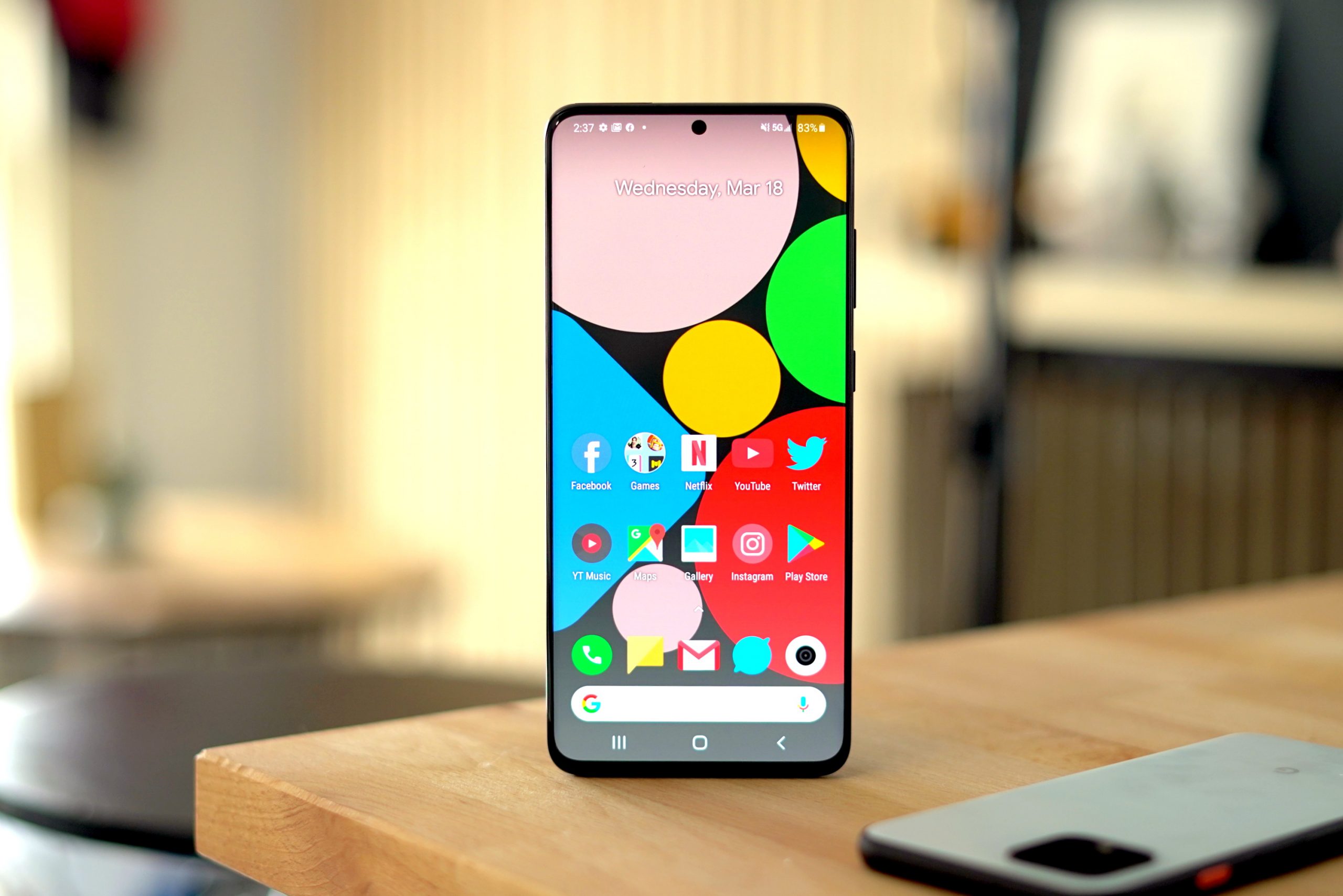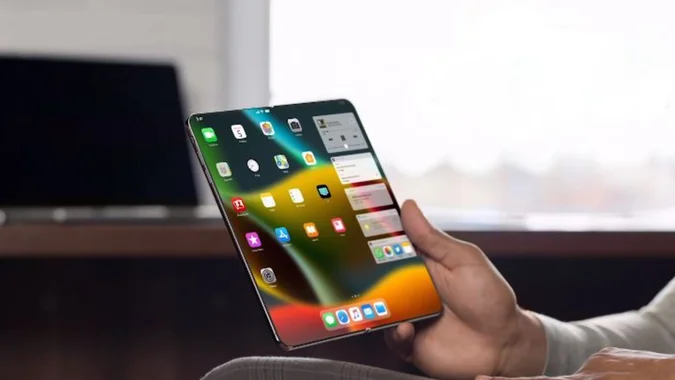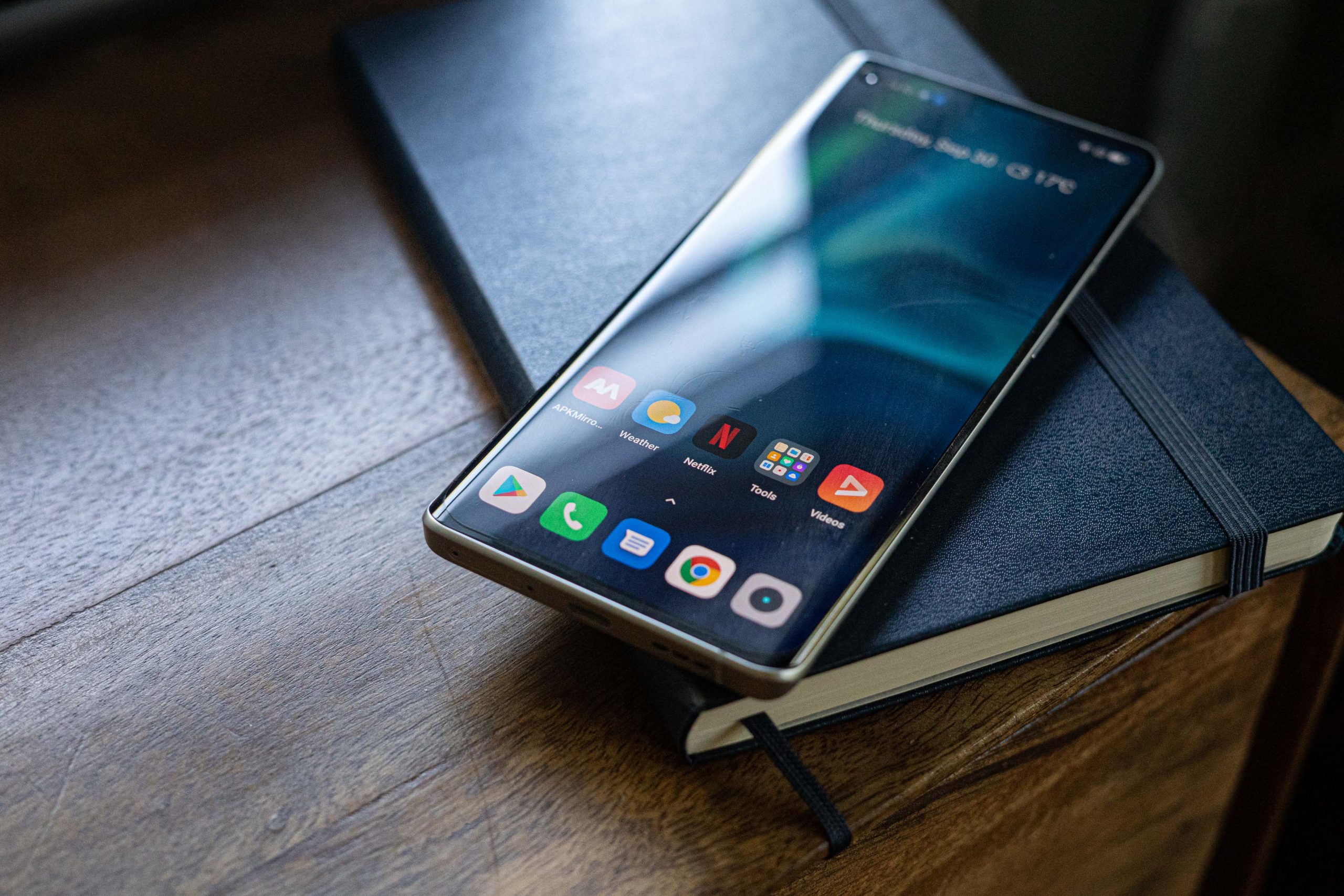
There’s something special about picking up a Pixel phone. The satisfying click of the power button, the buttery smooth 120Hz OLED display that seems to melt under your thumb, those precise haptic vibrations that make every interaction feel intentional. For years, Google’s Pixel lineup represented the purest Android experience, a marriage of thoughtful hardware and software that just worked. But lately, something’s changed. A growing chorus of Pixel owners are speaking up, and their message is clear: they want their simpler phones back.
The AI Integration That Crossed the Line
Google’s latest Pixel devices run on custom Tensor chips, silicon specifically designed to handle AI workloads efficiently. In theory, this should make everything faster and smarter. The reality many users are experiencing feels different. That iconic G pill at the bottom of your screen, which used to launch a lightning-fast Google search, now often triggers a full-screen Gemini interface that can feel laggy. Simple tasks like editing screenshots require extra taps as AI tools insist on helping whether you want them to or not.
From a technical perspective, here’s what’s happening. AI features like Gemini, Magic Editor, and Circle to Search run either on-device using the Tensor chip’s TPU (Tensor Processing Unit) or in the cloud. When they work well, they’re magical. When they don’t, they add computational overhead that can slow down the entire system. The Pixel’s 8GB or 12GB of LPDDR5X RAM, while respectable, gets divided between keeping your apps running smoothly and powering these always-ready AI assistants.
This Pixel AI dilemma isn’t just about occasional lag. It’s about fundamental changes to how the phone behaves. Long-time fans describe it as the “slopification” of the Pixel experience, where every interaction gets an extra layer of AI consideration that often feels unnecessary.
When Smart Gets in the Way of Simple
Picture this common scenario. You’re trying to quickly look up a restaurant address before meeting friends. You tap the search bar, but instead of the instant response you expect, there’s a noticeable delay as Gemini loads. Or you’re editing a screenshot to share with a colleague, and the AI keeps suggesting “enhancements” that require dismissing before you can make your simple crop. These micro-delays add up throughout the day, transforming what should be a seamless experience into something that feels constantly interrupted.
The frustration goes deeper than just interface quirks. Some users report that battery life suffers when AI features are constantly running in the background. Google’s Tensor chips, built on Samsung’s 5nm and 4nm process nodes, are efficient but not infinitely so. When the TPU is constantly active for features like Now Playing song recognition, Live Translate, or Gemini suggestions, it draws power that could otherwise extend your daily usage.
What’s particularly telling is how many users are actively disabling features. They’re going into Settings, turning off AI Core and Android System Intelligence, essentially stripping away what Google considers the phone’s main selling points. Others are considering switching brands entirely, looking toward devices that prioritize raw speed and stability over AI wizardry.
The Industry-Wide AI Push
Google isn’t alone in facing this backlash. Samsung’s Galaxy AI suite has drawn similar complaints from users who feel features like Chat Assist and Circle to Search prioritize novelty over practicality. Across Android forums, you’ll find threads where people argue that brands should focus on basics like reliable camera performance and all-day battery life rather than on-device AI tricks that few actually use daily.
From an industry perspective, this represents a fascinating tension. Companies like Google and Samsung are investing billions in AI development, betting that these features will become essential differentiators. Their silicon partners, whether it’s Google’s Tensor (co-developed with Samsung), Qualcomm’s Snapdragon with Hexagon processors, or MediaTek’s Dimensity chips with APUs, are all building hardware specifically for AI workloads.
Yet there’s a clear disconnect between what engineers think users want and what users actually need. The great Pixel AI backlash highlights this gap perfectly. While Google sees AI integration as the future of smartphones, many users see it as complication of the present.
What Pixel Fans Actually Want
Talk to any Pixel enthusiast longing for their older device, and you’ll hear consistent themes. They want the responsive feel of the Pixel 7’s interface, where animations were crisp and interactions were immediate. They miss the days when software felt like an enhancement of the hardware rather than a layer sitting on top of it. Most importantly, they want choice, the ability to decide when and how AI features engage rather than having them baked into every interaction.
There’s also a hardware consideration. While newer Pixels boast brighter displays (up to 2,400 nits on the Pixel 8 Pro) and improved camera sensors (like the 50MP main sensor with larger pixels), these advancements can feel overshadowed by software that doesn’t feel as polished. The excellent build quality, with Gorilla Glass Victus and aluminum frames, means little if the software experience feels cluttered.
Some users are even considering alternatives like the OnePlus 15R, which focuses on raw performance and battery life rather than AI integration. Others are looking at Samsung’s upcoming Galaxy Z Flip 8, hoping its refined hardware might offer a better balance.
Finding the Right Balance
The challenge for Google, and indeed the entire Android ecosystem, is finding the sweet spot where AI enhances rather than complicates. Features like Call Screen and Hold for Me were universally praised because they solved real problems without getting in the way. The current generation of AI tools often feels like solutions in search of problems.
There’s hope that future software updates might address these concerns. Google has shown willingness to refine features based on user feedback, and the company’s rapid update schedule means improvements could come quickly. The question is whether they’ll dial back the AI integration or simply make it work better.
For now, the message from Pixel fans is clear. They love the hardware, the camera quality, the clean Android experience. But they’re asking Google to remember what made Pixels special in the first place, a focus on thoughtful design that gets out of the way rather than constantly trying to help. In the race to make phones smarter, sometimes the smartest move is knowing when to keep things simple.