The Nostalgia for Simpler Times
There’s a growing murmur in the Pixel community, a sentiment that’s turning from quiet frustration into vocal discontent. Longtime fans who fell in love with Google’s clean software and buttery-smooth animations are now finding themselves pining for their older devices. The culprit? What many are calling the “AI-ification” of the Pixel experience, where Google’s deep integration of Gemini and other artificial intelligence features is creating more friction than fluidity.
Picture this: you’re trying to quickly edit a screenshot to send to a friend. What used to be a two-tap affair now involves navigating through AI-powered suggestions and extra menus. That familiar G pill at the bottom of your screen, once a gateway to instant Google searches, now launches a full-screen Gemini interface that sometimes feels laggy. It’s these small, everyday interactions that are adding up, creating what some users describe as a “slopification” of what was once a beautifully streamlined operating system.
The Reddit Rebellion
The frustration has found a loud voice on platforms like Reddit, where threads with titles like “Does anyone feel like AI is ruining the Pixel experience?” are gathering hundreds of upvotes and comments. One user’s sentiment captures the mood perfectly: “I can’t stand this phone anymore. I’d prefer the Pixel 7 over this AI-heavy model.” This isn’t just about disliking new features. It’s about the fundamental feel of the device changing in ways that make it less enjoyable to use daily.
What’s particularly interesting about this Pixel AI backlash is how specific the complaints are. Users aren’t just saying “AI is bad.” They’re pointing to tangible slowdowns, extra steps in previously simple workflows, and interface changes that prioritize AI discovery over user efficiency. That dedicated AI button sitting where people expect normal Google search? It’s become a symbol of Google’s shifted priorities.
Not Just a Pixel Problem
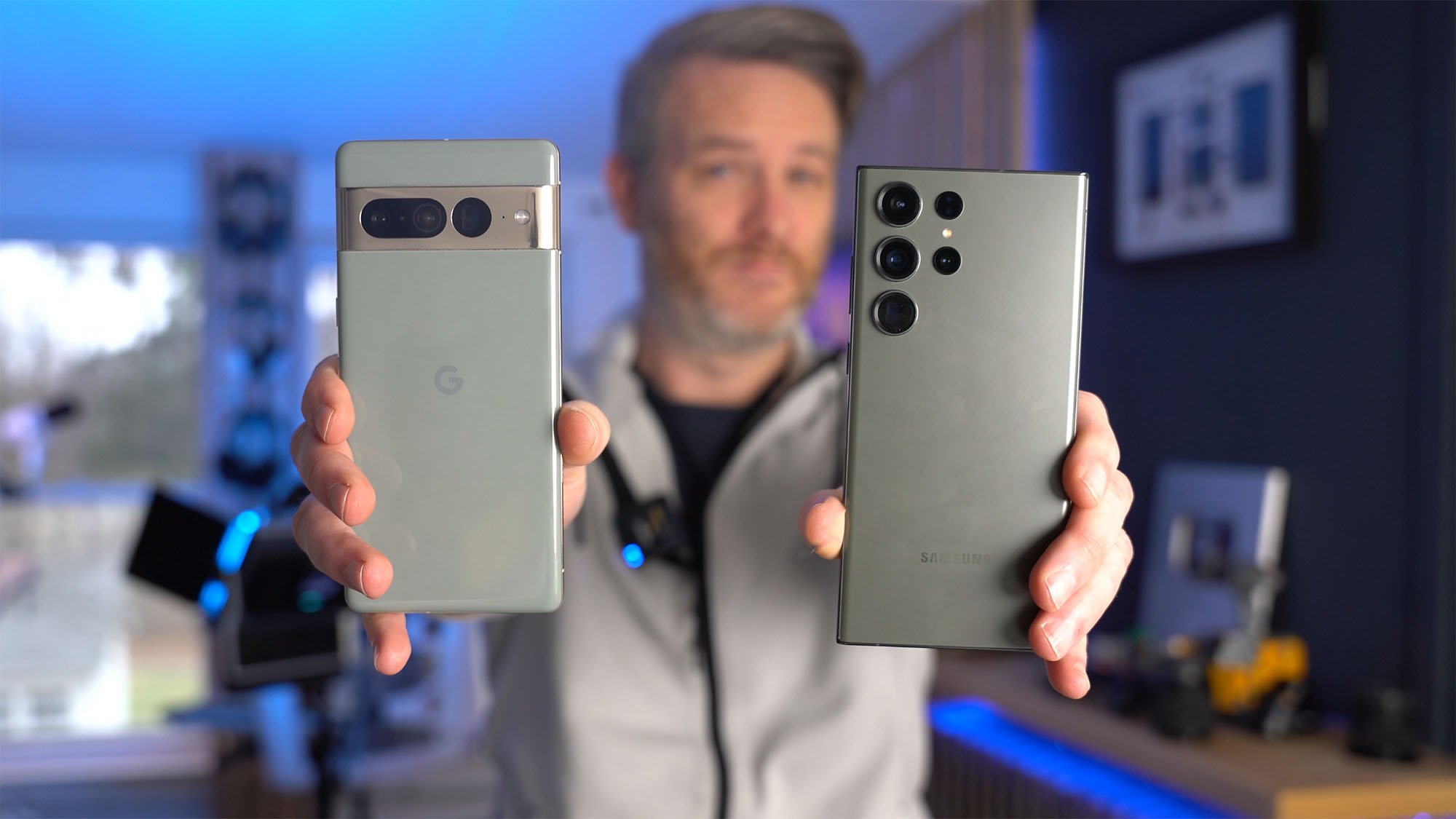
While Pixel users might be feeling this shift most acutely given how deeply Gemini is woven into their interface, they’re not alone. Samsung’s Galaxy AI is generating similar grumbles from some Galaxy owners. Across Android forums, you’ll find people questioning whether brands are prioritizing on-device AI tricks over the fundamentals that actually matter in daily use. We’re talking about battery life that lasts through a heavy day, reliable camera performance that doesn’t require computational photography to bail it out, and software stability that doesn’t introduce new bugs with every update.
This tension between flashy AI features and core smartphone functionality represents a broader industry challenge. When you’ve been in this business as long as I have, you see these cycles play out. Companies race to implement the latest buzzword technology, sometimes before it’s truly ready to enhance rather than complicate the user experience. The current smarter phones feel slower phenomenon reminds me of early days when manufacturers overloaded devices with gimmicky features that nobody used but everyone had to navigate around.
What Are Unhappy Users Doing?
Faced with this AI-heavy reality, Pixel owners are taking matters into their own hands. Some are diving deep into Settings, turning off AI Core and Android System Intelligence in an attempt to reclaim some of that old-school responsiveness. Others are considering more drastic measures, like switching away from Pixel entirely to brands that feel less “AI first” and more focused on speed and stability.
It’s worth noting that Google has been responsive to performance issues in other areas. Their recent software stability updates have shown they can move quickly to address battery drain and touch response problems when they’re identified as bugs. The question is whether they’ll apply that same responsiveness to the broader UX concerns around AI integration.
The Fundamental Tension
At its heart, this situation represents a classic tech industry dilemma. Google’s vision is clearly AI-everywhere, betting big that these features will become indispensable once users adapt to them. Meanwhile, a significant portion of their user base just wants fast, predictable phones that don’t get in the way of getting things done.
For those who loved the Pixel 7 experience, the current direction can feel like a step backward. They’re not anti-innovation. They just want innovation that makes their phones better, not more complicated. This AI dilemma isn’t unique to Google, but as the company that once championed “pure Android” simplicity, the contrast feels particularly stark.
As Google continues to double down on AI expansion despite the complaints, the coming months will be telling. Will users eventually come around to these features as they become more refined? Or will the longing for simpler, more responsive phones grow louder? For now, the message from a vocal segment of Pixel fans is clear: sometimes, less really is more.