Remember when your Pixel phone felt like a perfectly tuned instrument? That satisfying haptic feedback, the buttery smooth 120Hz display scrolling, the instant camera launch? For many longtime Pixel enthusiasts, that experience has started to feel like a distant memory. Instead of getting faster and more responsive with each update, their phones now feel bogged down by what some are calling the “AI-ification” of everything.
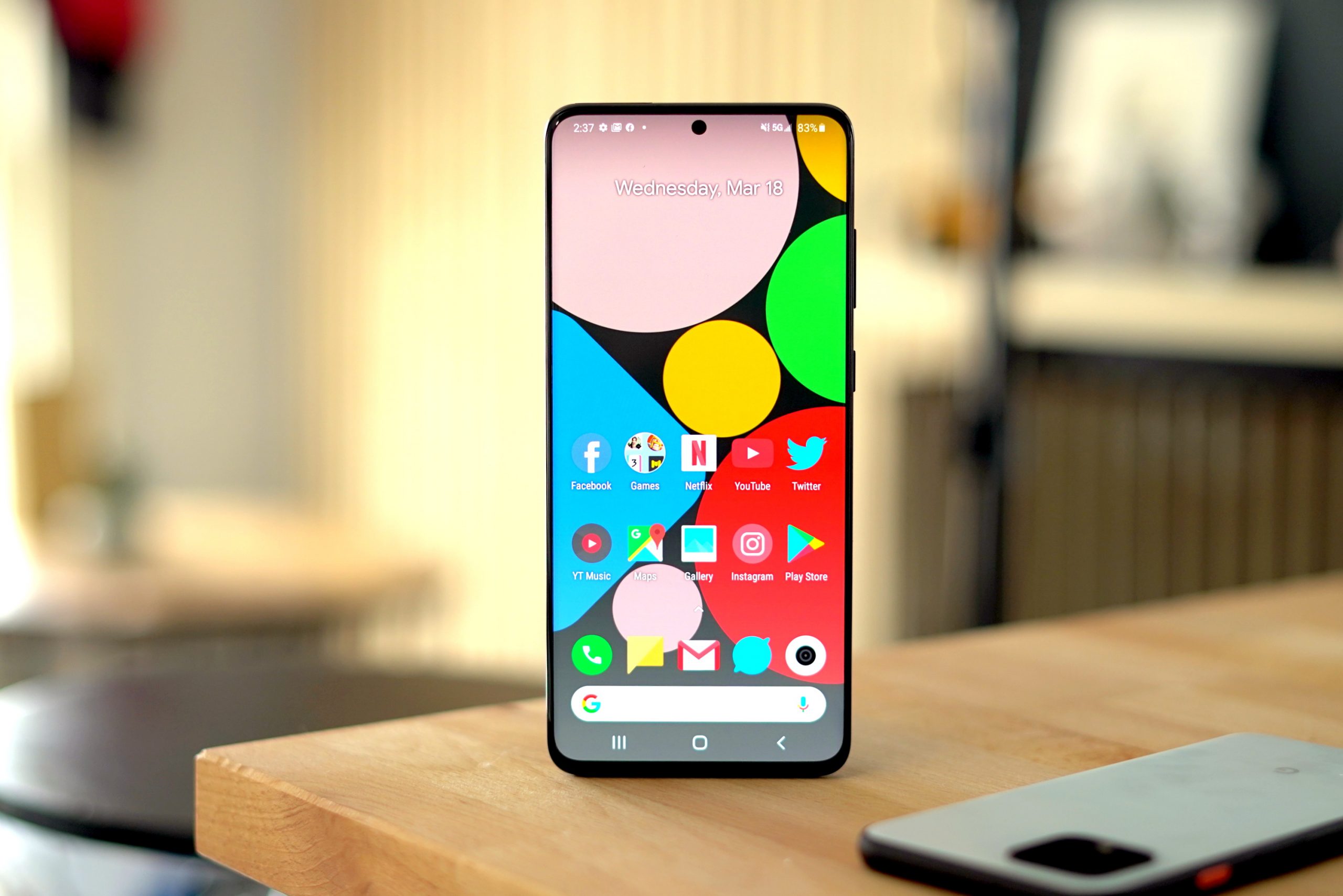
It starts with something as simple as tapping the G pill. What used to be a lightning-fast search bar now launches a full-screen Gemini interface that sometimes hesitates for a split second. That split second matters when you’re trying to quickly look up a restaurant address or check a fact during a conversation. Editing screenshots, once a straightforward three-tap affair, now requires navigating through AI-powered suggestions that most people never asked for. There’s even a dedicated AI button sitting where the Google Search shortcut used to live, fundamentally changing muscle memory built over years.
The Technical Reality Behind the Slowdown
What’s actually happening under the hood isn’t magic, it’s computational overhead. Every time you tap that G pill, your phone isn’t just opening a simple search interface anymore. It’s loading Gemini’s language model, checking for context from your recent activity, and preparing AI suggestions before you’ve even typed a single letter. This happens on-device using Google’s Tensor chips, which means processor cycles and memory bandwidth that could be dedicated to keeping your interface smooth are now allocated to AI preprocessing.
The dedicated AI button represents more than just a hardware change, it’s a philosophical shift. Google has moved from treating AI as a background enhancement to making it a primary interface layer. This means system resources are constantly monitoring for AI-triggering patterns, analyzing screen content for potential AI actions, and maintaining Gemini’s contextual awareness. All of this happens whether you want it or not, creating what users describe as a persistent background “tax” on performance and battery life.
When Smarter Features Make Your Phone Feel Dumber
The irony isn’t lost on anyone paying attention. We’re living through what many are calling the great Pixel AI backlash, where features designed to make phones smarter actually make them feel slower and more frustrating to use. Take screenshot editing as a prime example. Previously, you’d capture a screenshot, tap edit, crop or annotate, and save. Now, the system analyzes the screenshot content, suggests AI-powered edits, offers text extraction, and proposes sharing options before you can even access basic editing tools.
This creates what interface designers call “decision fatigue.” Instead of accomplishing your task quickly, you’re presented with multiple AI-generated options to consider. The extra cognitive load might seem minor for a single action, but multiply it across dozens of daily interactions and you get what Reddit users are describing as “slopification” of the entire experience. The phone starts feeling less like a tool and more like an assistant that constantly interrupts with unsolicited advice.
Not Just a Pixel Problem
Google isn’t operating in a vacuum here. Samsung’s Galaxy AI features are generating similar frustrations among Galaxy owners who just want reliable camera performance and consistent battery life. Across Android forums, you’ll find threads where people complain that brands are prioritizing on-device AI tricks over the fundamentals that actually matter in daily use.
The industry-wide push toward smarter phones that feel slower represents a fundamental tension in modern smartphone development. Manufacturers are racing to implement AI features as marketing differentiators, often at the expense of the polished, predictable experience that made people loyal to their platforms in the first place. What’s particularly frustrating for Pixel fans is that Google’s hardware has traditionally excelled at delivering that polished experience, making the current AI-heavy direction feel like an especially sharp departure from what made the brand special.
The User Rebellion and Workarounds
So what are frustrated Pixel owners actually doing about this? The solutions range from simple software tweaks to considering platform switches. Many users are diving deep into Settings to disable AI Core and Android System Intelligence, essentially turning their phones back into the simpler devices they remember. Others are creating custom routines that bypass AI triggers entirely, or switching to third-party launchers that don’t integrate Gemini at the system level.
Some are taking more drastic measures. There’s a growing contingent of users who say they’re considering leaving the Pixel ecosystem entirely, looking toward phones that prioritize speed and stability over AI-first features. This represents a significant challenge for Google, as these aren’t casual users but the exact enthusiast base that helped build Pixel’s reputation through word-of-mouth recommendations.
The situation has created what many are calling the Pixel AI dilemma: how do you integrate cutting-edge AI capabilities without compromising the core experience that people actually buy your phones for? It’s a balancing act that Google hasn’t quite mastered yet, and the vocal feedback from their most dedicated users suggests they might be leaning too far in one direction.
Looking Forward: Can Google Find the Balance?
The tension between Google’s AI-everywhere strategy and users who just want fast, predictable phones isn’t going away anytime soon. For people who fondly remember the simpler Pixel 7 experience, the current direction feels like several steps backward. Yet Google continues expanding AI features, doubling down on their vision despite growing complaints.
What’s needed isn’t necessarily less AI, but smarter implementation. Features that activate only when explicitly requested, AI tools that don’t interfere with core functionality, and system-level optimizations that prioritize responsiveness over background AI processing. The Pixel hardware platform, with Google’s custom Tensor chips, has the potential to deliver both cutting-edge AI and buttery-smooth performance. The question is whether Google will listen to their users and adjust course before more of that loyal fanbase decides their next phone won’t be a Pixel.
For now, the message from the Pixel community is clear: sometimes, making a phone smarter means first remembering what made it great in the first place. The haptics that felt precise, the display that scrolled without hesitation, the camera that launched instantly, these weren’t just features, they were the essence of the Pixel experience. As AI continues to reshape our devices, finding ways to enhance that essence without overwhelming it might be the smartest move of all.