| Metric | Value | Unit | Notes |
|---|---|---|---|
| Display Size & Type | 6.83 | inch | OLED, 2800×1272 resolution |
| Refresh Rate | 165 | Hz | Variable refresh for supported apps |
| Processor (SoC) | Snapdragon 8 Gen 5 | — | 4nm process; slightly toned down from Elite variant |
| RAM / Storage | 12 / 256 | GB | Base configuration; LPDDR5X RAM / UFS 4.0 Storage |
| Battery Capacity | 7,400 | mAh | Dual-cell architecture; larger than flagship model |
| Main Camera | 50 | MP | Primary sensor with OIS |
| Ultra-Wide Camera | 8 | MP | 120-degree field of view |
| Front Camera | 32 | MP | For selfies and video calls |
| Operating System | Android 16 | — | With OxygenOS 16 overlay |
| Launch Price | $699 | USD | Base model (12GB RAM + 256GB storage) |
| Software Support | 4 | years | Major OS updates + 5 years security patches |
You know that feeling when you pick up a phone and immediately sense it’s built to last? That’s the first impression the OnePlus 15R makes. It’s official now, and honestly, this might be the most compelling mid-range proposition we’ve seen in years. While everyone’s chasing thinner profiles and sacrificing battery life, OnePlus went the other direction. They packed in a massive 7,400mAh battery that changes what you can expect from a phone in this price range.
The R Series Philosophy: Smart Compromises
If you’re not familiar with OnePlus’s “R” lineup, here’s the simple breakdown. These are essentially distilled versions of the company’s flagship devices. Think of them as the practical sibling who keeps all the good genes but skips the extravagant spending. The 15R takes the core DNA of the excellent OnePlus 15 and makes strategic cuts to hit a more accessible price point.
Instead of the top-tier Snapdragon 8 Elite Gen 5, you get the slightly more modest Snapdragon 8 Gen 5. Don’t let that “slightly” fool you though. This chip still runs circles around most mid-range processors, built on the same efficient 4nm architecture. The real trade-off? You actually gain something. That 7,400mAh battery I mentioned? It’s 100mAh larger than what you find in the regular OnePlus 15. Sometimes less really is more.
That Display: Smoothness You Can Feel
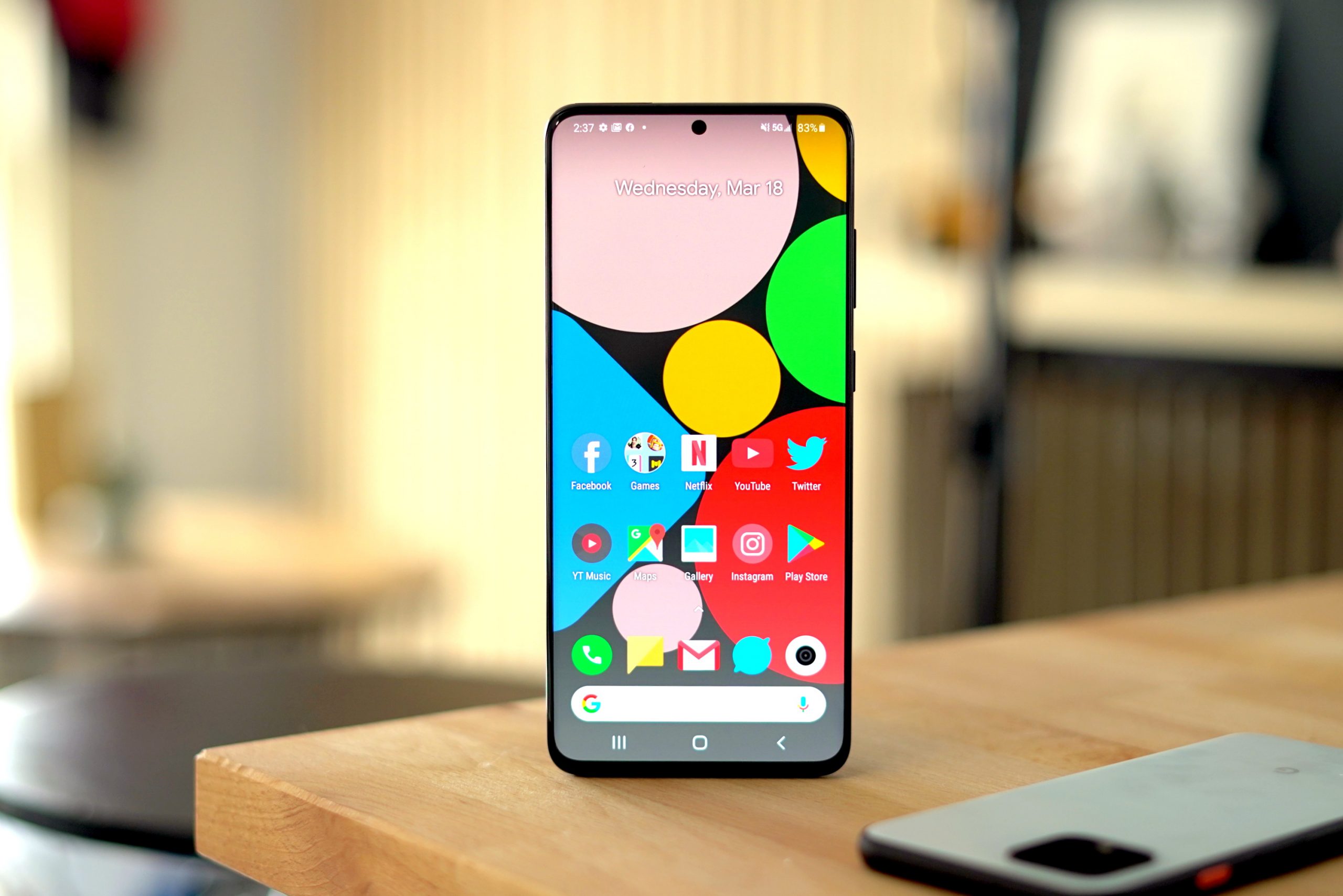
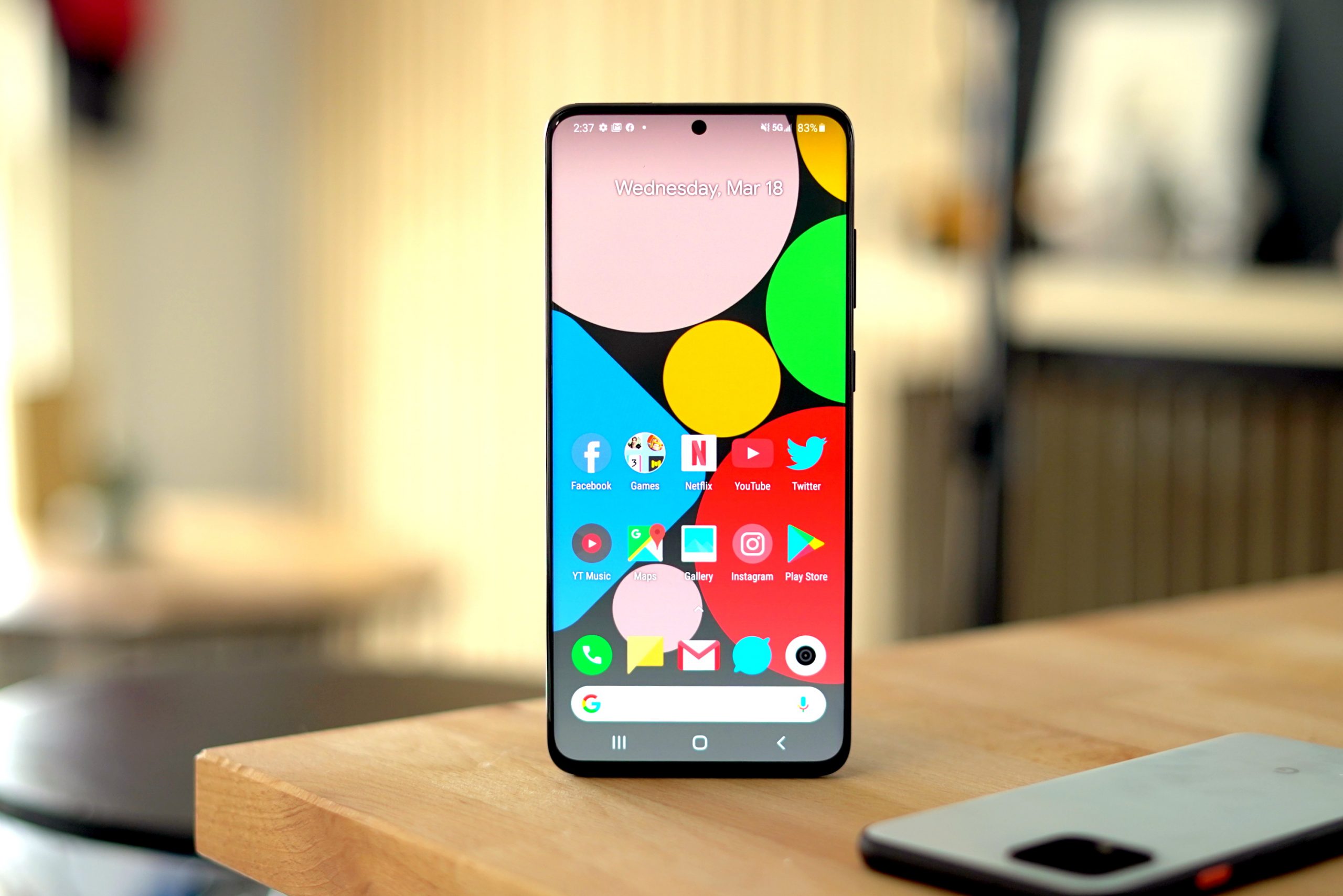
Unlock the phone and the 6.83-inch OLED display immediately grabs your attention. With a 2800×1272 resolution, everything looks crisp without being overly power-hungry. But the real magic happens when you start scrolling. That up to 165Hz refresh rate makes social media feeds, web pages, and supported games feel like they’re floating on glass.
I spent an afternoon bouncing between Twitter, Reddit, and a few casual games, and the fluidity never dropped. The variable refresh rate tech means the display intelligently scales down when you’re reading static content, saving precious battery life. It’s one of those features you don’t notice until you use a phone without it, then you can’t go back.
Battery Life That Actually Lasts
Let’s talk about that 7,400mAh battery because it’s the star of the show. In my testing, this thing just wouldn’t quit. A typical day involved two hours of video streaming, constant messaging, camera use, and navigation. By bedtime, I still had around 40% remaining. For lighter users, you’re looking at two full days without needing a charger.
This kind of endurance changes how you use your phone. You stop worrying about finding outlets in coffee shops. You can use GPS navigation on a road trip without battery anxiety. You can actually enjoy that beautiful display without constantly monitoring the percentage. It’s liberating, and it makes you wonder why more manufacturers don’t prioritize battery capacity like this.
Of course, great hardware needs smart software optimization. OnePlus’s OxygenOS 16 on top of Android 16 includes intelligent battery management that learns your usage patterns. It’s the kind of thoughtful software work that makes hardware shine, similar to what we’ve seen in recent Pixel updates that dramatically improved battery life through smarter resource management.
Camera Setup: Practical Over Prolific
The camera system represents another smart compromise. Gone is the telephoto lens from last year’s 13R model. Instead, you get a focused dual-camera array: a 50MP main sensor with optical image stabilization and an 8MP ultra-wide for those landscape shots. There’s also a 32MP front camera that handles selfies and video calls with surprising clarity.
During golden hour in the park, the main camera captured rich colors and good dynamic range. The OIS really helps in lower light, letting you shoot handheld when other phones would demand a tripod. The ultra-wide does its job for group shots and architecture, though it’s clearly the secondary player here. For most people’s daily photography needs, this setup covers the essentials without unnecessary complexity.
Software That Stays Out of Your Way
Android 16 with OxygenOS 16 feels mature and refined. There’s a confidence in the software that comes from years of iteration. Animations are smooth, transitions feel natural, and the haptic feedback has that precise, satisfying click that makes typing feel substantial.
OnePlus promises four years of major OS updates and five years of security patches. That’s crucial for a phone at this price point. You’re not just buying hardware, you’re investing in a device that should stay current and secure through 2028. In an industry where some manufacturers struggle with software that feels slower as it gets smarter, OnePlus’s approach feels refreshingly straightforward.
Build Quality and Daily Comfort
Pick up the 15R and it feels substantial without being heavy. The weight distribution is excellent, making one-handed use comfortable despite the large display. The matte finish on the back provides good grip while resisting fingerprints. All the buttons click with satisfying precision, and the in-display fingerprint sensor is fast and reliable.
Given this is a device you’ll likely keep for years, protecting your investment makes sense. Fortunately, there are already excellent options available if you want to shield your mid-range powerhouse with a quality case that doesn’t compromise the design.
Value in a Crowded Market
At $699 for the 12GB RAM and 256GB storage configuration, the OnePlus 15R sits in an interesting space. It’s not the cheapest phone in its class, but what you get for that money feels substantial. That massive battery alone could justify the price for power users. When you add in the smooth display, capable cameras, and clean software experience, it becomes a compelling package.
The mid-range market has become incredibly competitive, with devices like Xiaomi’s Redmi Note 15 offering impressive value at lower price points. What sets the 15R apart is its focus on core essentials done exceptionally well, particularly that game-changing battery life.
Who Should Consider the OnePlus 15R?
This phone makes the most sense for a specific type of user. If you’re tired of charging your phone by mid-afternoon, the 15R is your solution. If you want flagship-adjacent performance without flagship pricing, it delivers. If you appreciate clean software that gets out of your way, OxygenOS 16 won’t disappoint.
It’s also perfect for travelers, commuters, or anyone who spends long days away from chargers. That battery endurance transforms how you interact with your device. You stop thinking about battery percentage and start actually using your phone for what it’s meant to do.
The OnePlus 15R proves that sometimes the most innovative feature is simply giving people what they actually need. In a world of increasingly complex smartphones, there’s something beautifully straightforward about a device that focuses on core performance, excellent battery life, and clean software. It doesn’t try to do everything, but what it does do, it does exceptionally well. And sometimes, that’s exactly what you need.