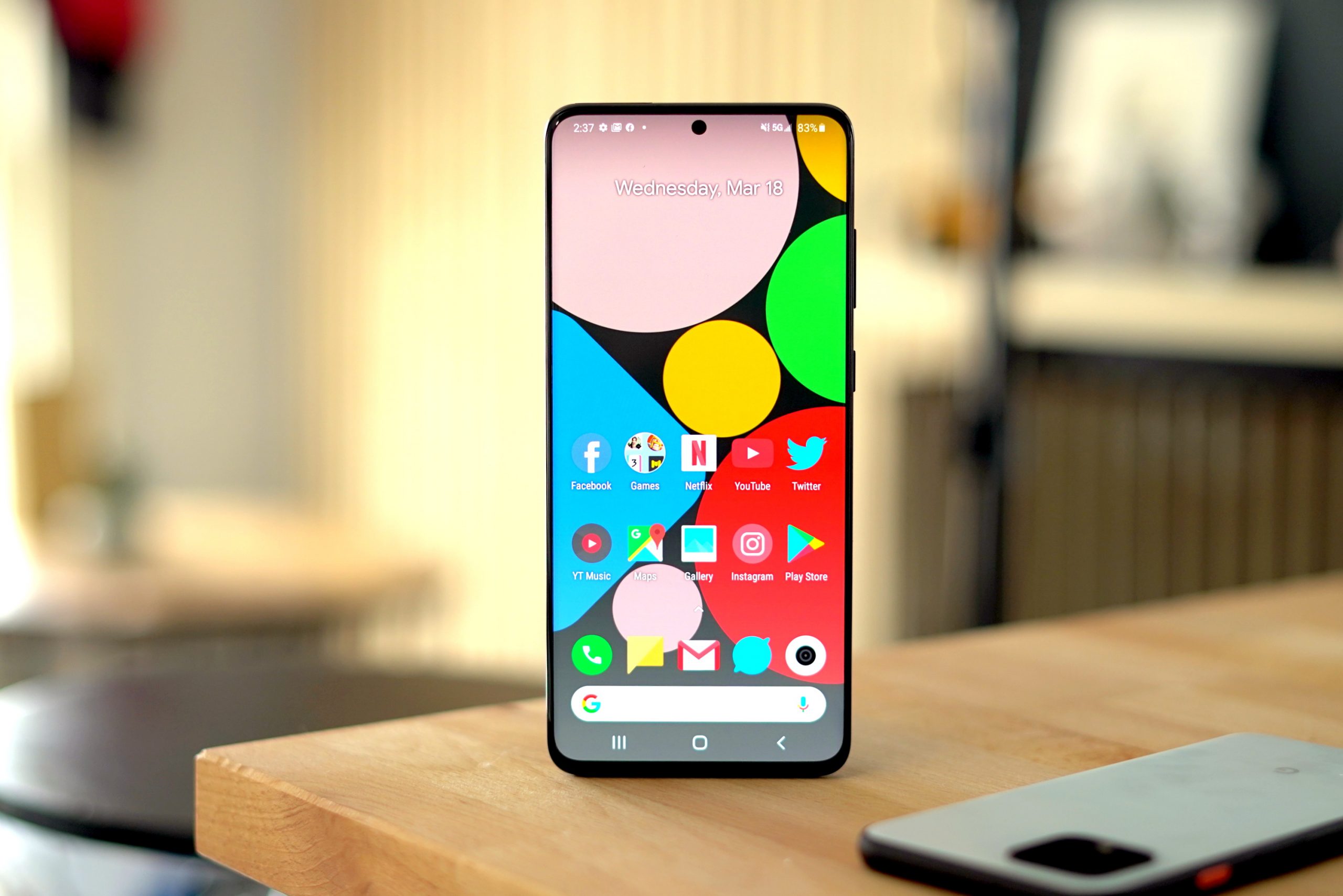
There’s something special about picking up a Pixel phone. The satisfying click of the power button, the buttery smooth 120Hz display scrolling under your thumb, the precise haptic feedback that makes every interaction feel intentional. For years, Google’s hardware team has been refining these tactile pleasures, creating devices that just feel right in your hand. But lately, something’s been off. The software experience that once felt clean and responsive now carries a strange weight, like you’re pushing through digital molasses instead of gliding across glass.
Across Reddit threads and tech forums, a growing chorus of Pixel owners are voicing a surprising sentiment. They miss their older phones. Not because of better cameras or longer battery life, but because those devices felt simpler, faster, and more predictable. The culprit, according to many, is Google’s aggressive push of AI features into every corner of the interface. What was meant to make phones smarter appears to be making them feel slower.
The AI Integration That Feels Like Interruption
Remember when tapping the G pill at the bottom of your screen brought up a clean Google search overlay? Now it launches a full screen Gemini page that sometimes takes a noticeable beat to load. Need to edit a screenshot? What used to be two taps now involves navigating through AI suggestion menus that feel more like obstacles than helpers. There’s even a dedicated AI button sitting where many users expect normal search functionality.
“I can’t stand this phone anymore,” reads one viral Reddit post that’s gathered hundreds of upvotes. The user continues, “I’d prefer the Pixel 7 over my current AI-heavy model.” This sentiment echoes through comment sections, with long time Pixel fans describing what they call the “slopification” of the experience. Features like auto summaries and AI suggestions, they argue, seem designed more to keep people tapping and scrolling than actually solving problems.
This growing Pixel AI backlash represents a fascinating tension in modern smartphone design. Google’s Tensor chips were supposed to bring on device intelligence that felt seamless, not sluggish. Yet here we are, with users actively disabling AI Core and Android System Intelligence in their settings, trying to reclaim that snappy responsiveness they remember from earlier models.
It’s Not Just Google
Before we single out Google, it’s worth noting this isn’t exclusively a Pixel problem. Samsung’s Galaxy AI is creating similar frustrations for some users. Across Android forums, people are complaining how brands seem to be prioritizing on device AI tricks over basics like consistent battery life and reliable camera performance. The industry wide push toward AI everything has created a situation where marketing features might be overshadowing daily usability.
From a hardware perspective, modern Pixels are genuinely impressive. The displays are vibrant with excellent color accuracy, the build quality feels premium, and the camera systems continue to punch above their weight class. The haptic engine in recent models provides some of the most nuanced feedback in the business. But all these hardware virtues can feel undermined when the software experience introduces hesitation and complexity where there should be fluidity.
The Nostalgia for Simpler Times
There’s a reason why discussions about why some Pixel fans want their old simpler phones back keep surfacing. The Pixel 7 series, for all its minor quirks, represented a sweet spot where Google’s software philosophy still prioritized speed and clarity. The interface felt intentional rather than exploratory, with features that served clear purposes rather than demonstrating technical capability.
Think about your daily phone use. How often do you actually need AI to summarize an article versus how often you just want to quickly share a screenshot? How frequently do you use generative AI editing tools compared to basic crop and rotate functions? For many users, the answer reveals a mismatch between what’s being prioritized in development and what matters in daily life.
What Are Users Doing About It?
The response from frustrated owners falls into a few categories. Some are digging deep into settings, turning off every AI related toggle they can find. Others are considering switching away from Pixel entirely, looking toward phones that feel less “AI first” and more focused on raw speed and stability. A smaller group is actually downgrading to older models or installing custom ROMs that strip out the AI integrations.
Google has shown they can respond to performance concerns, as demonstrated by their lightning fast December patch that rescued Pixel battery life and touch response. This proves the company has the capability to address software optimization issues when they become priorities. The question is whether they’ll apply similar urgency to the AI integration concerns that are frustrating their most loyal users.
The Broader Industry Context
From inside the consumer electronics industry, this tension isn’t surprising. Every manufacturer is racing to showcase AI capabilities, often because investors and analysts demand it. The narrative has shifted from “how fast is it” to “how smart is it,” creating pressure to integrate AI everywhere, whether it enhances the experience or not.
Component suppliers are following suit, with chipmakers like Qualcomm and MediaTek designing their latest SoCs around AI acceleration. Display manufacturers are even exploring AI driven upscaling and optimization. The entire supply chain is aligning around artificial intelligence as the next big thing, which makes it difficult for any single company to step back and ask, “Is this actually making our products better for users?”
Finding the Right Balance
The ideal solution isn’t removing AI features entirely. When implemented thoughtfully, they can be genuinely useful. Magic Eraser in Photos, Live Translate during conversations, Call Screen for filtering spam these are AI features that solve real problems without getting in the way. The issue arises when AI becomes the default rather than an option, when it adds steps instead of removing them, when it prioritizes demonstration over utility.
What Pixel users are asking for, fundamentally, is choice. The ability to access powerful AI tools when they need them, without those tools imposing themselves during everyday tasks. They want the clean, fast interface that made them love Pixel in the first place, with smart features available as enhancements rather than intrusions.
As someone who’s used every Pixel generation since the original, I understand both sides. The excitement of new technology, the potential of what AI could enable, but also the frustration when innovation comes at the cost of reliability. The best technology doesn’t feel like technology at all it feels like an extension of your intention. Right now, for many Pixel owners, the software is reminding them a bit too much that they’re using a computer.
The path forward for Google, and indeed for the entire industry, involves recognizing that smarter shouldn’t mean slower. That innovation should serve experience rather than interrupt it. And that sometimes, what users want most isn’t the next big thing, but the reliable, responsive device that already works beautifully in their hand.