The Nostalgia for Simplicity
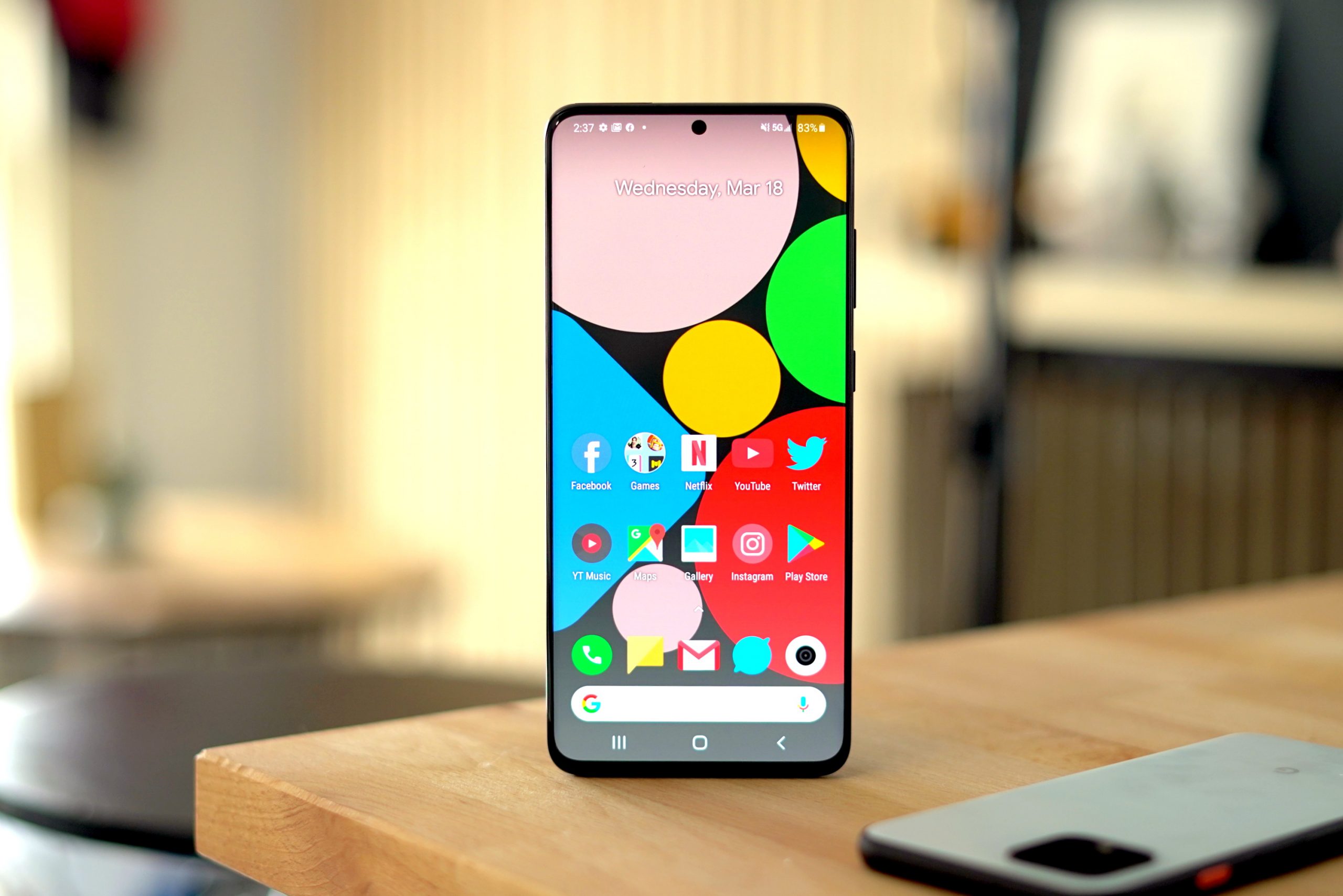
Picture this. You’re rushing to catch up on messages during your morning coffee. You tap the familiar G pill at the bottom of your Pixel’s screen, expecting the instant Google search bar that’s been muscle memory for years. Instead, you’re greeted by a full screen Gemini interface that takes a noticeable beat to load. That slight delay, that extra cognitive step, it adds up. For a growing number of Pixel owners, this isn’t just a minor annoyance. It’s become a symbol of a broader shift, one where the pursuit of artificial intelligence is starting to overshadow the core smartphone experience they fell in love with.
This sentiment has exploded across Reddit threads and tech forums. A viral post titled “Does anyone feel like AI is ruining the Pixel experience?” captured the collective frustration. The author, a longtime Pixel user, stated they “can’t stand this phone anymore” and would actively prefer their older Pixel 7 over the current AI-saturated model. The complaints are specific, and they’re damning. Editing a simple screenshot now requires navigating past AI suggestion overlays. The search button you’ve tapped thousands of times has been repurposed for Gemini. Basic tasks feel heavier, layered with digital friction where there used to be fluidity.
The Technical Trade-Off
From a hardware enthusiast’s perspective, it’s a fascinating, if frustrating, dilemma. Modern Pixels pack capable Tensor chips built on cutting-edge process nodes. Their OLED displays are vibrant and responsive, their haptic engines deliver precise, satisfying feedback. The build quality and in-hand feel remain excellent. Yet, the software experience, the very soul of the device, is being reshaped by an aggressive Pixel AI backlash that prioritizes showcase features over daily usability.
The issue isn’t that the AI features are useless. Magic Editor can create fun photos. Summarizing web pages has its moments. The problem is integration, or rather, intrusion. These capabilities are baked so deeply into Android’s core interface that they can’t be ignored. They add computational overhead, consuming processor cycles and memory that could be dedicated to keeping the app switcher snappy or ensuring touch response stays instantaneous. Users aren’t complaining about a lack of power. They’re complaining about how that power is being allocated, feeling the impact on battery life and touch response in their most basic interactions.
An Industry-Wide Tension
Google isn’t operating in a vacuum. This push for “AI-first” devices is an industry-wide mandate. Samsung’s Galaxy AI suite creates similar friction for some users, with features like live translation and generative photo editing sometimes feeling like solutions in search of a problem. Across Android forums, a common refrain emerges. Brands are racing to implement on-device AI tricks, often at the expense of nailing the fundamentals: consistent battery performance, reliable camera processing, and a stable, predictable operating system.
The supply chain tells a parallel story. Chipmakers like Qualcomm and Google’s own Tensor team are designing System-on-Chips (SoCs) with dedicated neural processing units (NPUs). Display manufacturers are pushing higher refresh rates and brightness. Battery cells are getting more energy dense. Yet, there’s a sense that the software is struggling to keep this hardware symphony in tune, adding layers of complexity that the silicon wasn’t necessarily meant to handle in such a pervasive way.
The User Rebellion and Workarounds
So what are frustrated owners doing? The response is a mix of resignation and rebellion. Many dive deep into Settings, hunting for switches labeled “AI Core” or “Android System Intelligence” to disable as much as possible. It’s a digital decluttering exercise, stripping away the AI veneer in hopes of recovering the snappy, straightforward phone underneath. Others are making more drastic plans, openly discussing switching to brands perceived as more focused on stability and speed, even if it means leaving the Pixel camera magic behind.
This creates a palpable tension. On one side, Google’s product roadmap is clearly betting big on AI as its key differentiator. It’s a long-term strategic play in a hyper-competitive market. On the other side are the users, the people who actually live with these devices every day. They’re asking a simple, reasonable question. Does this feature make my phone better, or does it just make it different? For a significant cohort, the answer is leaning toward the latter.
Looking Forward
The path forward isn’t clear. Google will likely continue its AI expansion, refining Gemini and weaving it deeper into Android. The hope among frustrated fans is for a more thoughtful implementation, one that offers power without penalty. Perhaps future software updates will find a better balance, using machine learning to genuinely enhance responsiveness rather than occasionally hindering it. Maybe toggle-able “AI-lite” modes will emerge, giving users control over how much silicon real estate is devoted to these background tasks.
For now, the longing for older, simpler Pixels is more than nostalgia. It’s a critique. It’s a user-base saying that innovation shouldn’t come at the cost of intuition, that a phone’s intelligence should feel like a helpful assistant, not an overbearing manager. In the race to build the smartest phone, perhaps the smartest move of all would be to remember what made people love these devices in the first place. It wasn’t about answering questions you never asked. It was about effortlessly handling the tasks you do, every single day.