Imagine this. It’s fall 2026, and Apple finally takes the stage to unveil what everyone’s been waiting for, the company’s first foldable iPhone. The crowd goes wild. Social media explodes. And then reality sets in. You probably won’t be able to buy one for another year, maybe longer. According to trusted analyst Ming-Chi Kuo, Apple’s entry into the foldable arena is facing a perfect storm of production challenges that could keep the device frustratingly scarce well into 2027.
The Engineering Hurdle Behind the Hype
Let’s talk about why building a foldable phone is a completely different beast compared to the slab-style iPhones we’re used to. It’s not just about bending a screen. The entire device architecture has to be rethought from the ground up. The hinge mechanism alone is a miniature marvel of precision engineering, with dozens of tiny components that must work together flawlessly, thousands of times a day, for years.
Then there’s the display. We’re talking about ultra-thin glass (UTG) that’s flexible yet durable, layered with complex OLED panels that can’t develop a visible crease. Early production yields for these components are notoriously low. Every time a hinge doesn’t click just right, or the glass develops a micro-fracture during testing, that’s a unit that doesn’t ship. Apple is reportedly still finalizing key hardware elements, which adds even more uncertainty to the production timeline. This isn’t like ramping up production for a new color of iPhone 16, it’s building an entirely new category of device from scratch.
If you’re curious about what this groundbreaking device might actually look like, recent leaks suggest a pocket-sized iPad Mini experience, which only adds to the complexity of the engineering challenge.
Why Your Local Apple Store Will Have Empty Shelves
Kuo’s analysis points to a launch in the second half of 2026, but he warns that “smooth shipments” won’t happen until 2027. What does that mean for you, the potential buyer? It means launch-day stock could vanish in minutes. It means waiting lists that stretch for weeks or even months, especially if you want a specific storage tier or color. It means smaller markets might not see the device at all in its first year.
The forecast suggests the foldable iPhone might only sell in the “teens of millions” by 2027. For context, Apple sells nearly that many regular iPhones in a single quarter. This tells us the first-generation model will be more of a halo product, a statement piece that establishes Apple’s presence in the category rather than a device meant for the masses. The price will likely reflect that status, sitting at the ultra-premium end of the spectrum.
This kind of major supply crunch has precedent in Apple’s history, but the scale here is different due to the fundamental manufacturing challenges.
The Ripple Effect Across the Entire Market
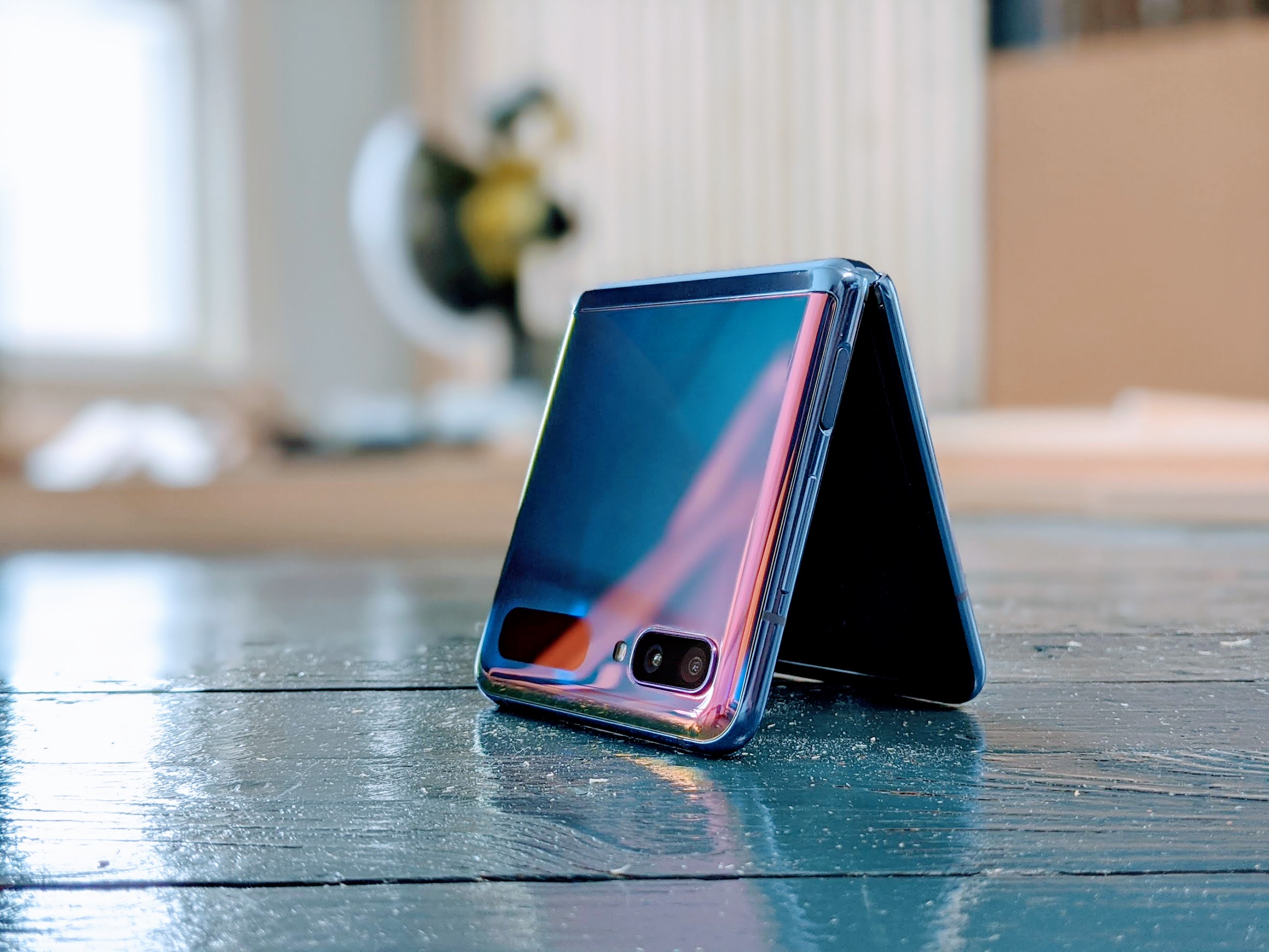
Here’s an interesting twist. Apple’s supply struggles might actually be good news for Samsung, Google, and other Android foldable makers. While Apple’s entry will undoubtedly legitimize foldables for the mainstream consumer, if people can’t actually buy an iPhone Fold, they might turn to what’s available. Samsung’s Galaxy Z Fold and Flip series have had years to iterate and refine their designs.
In fact, rumors about Samsung’s next-generation foldables point to even thinner and more refined devices arriving right around the same time. This gives Android manufacturers a crucial window to solidify their value proposition before Apple’s supply chain catches up.
What This Means for Your Upgrade Cycle
So, should you wait for Apple’s foldable? If you’re someone who needs to have the latest tech the moment it drops, prepare for frustration. You’ll be competing with every Apple enthusiast, tech reviewer, and early adopter for a vanishingly small number of units. The experience might feel like trying to buy a PlayStation 5 during the pandemic, or the original iPhone on launch day.
For many, the smarter play might be to wait for the second-generation model. By 2027 or 2028, Apple’s manufacturing partners will have worked out the kinks in the production process. Yields will improve. The hinge design will be proven. And Apple will have gathered real-world data on how people actually use the device. The second-gen model will likely be more available, potentially more durable, and could even come at a slightly more accessible price point as economies of scale kick in.
This extended period of massive supply constraints is a reminder that even a company with Apple’s resources and supply chain mastery faces real physical limits when pioneering new form factors. The dream of a foldable iPhone is inching closer to reality, but for most of us, holding that reality in our hands is still a long way off.
In the meantime, the unfolding drama of Apple’s foldable ambitions gives us a fascinating look at the brutal challenges of consumer electronics manufacturing. It’s a story of precision engineering, supply chain logistics, and the eternal race between consumer demand and production capability. One thing’s for certain, when these devices finally do hit shelves in meaningful numbers, the wait will have made the reveal that much sweeter.