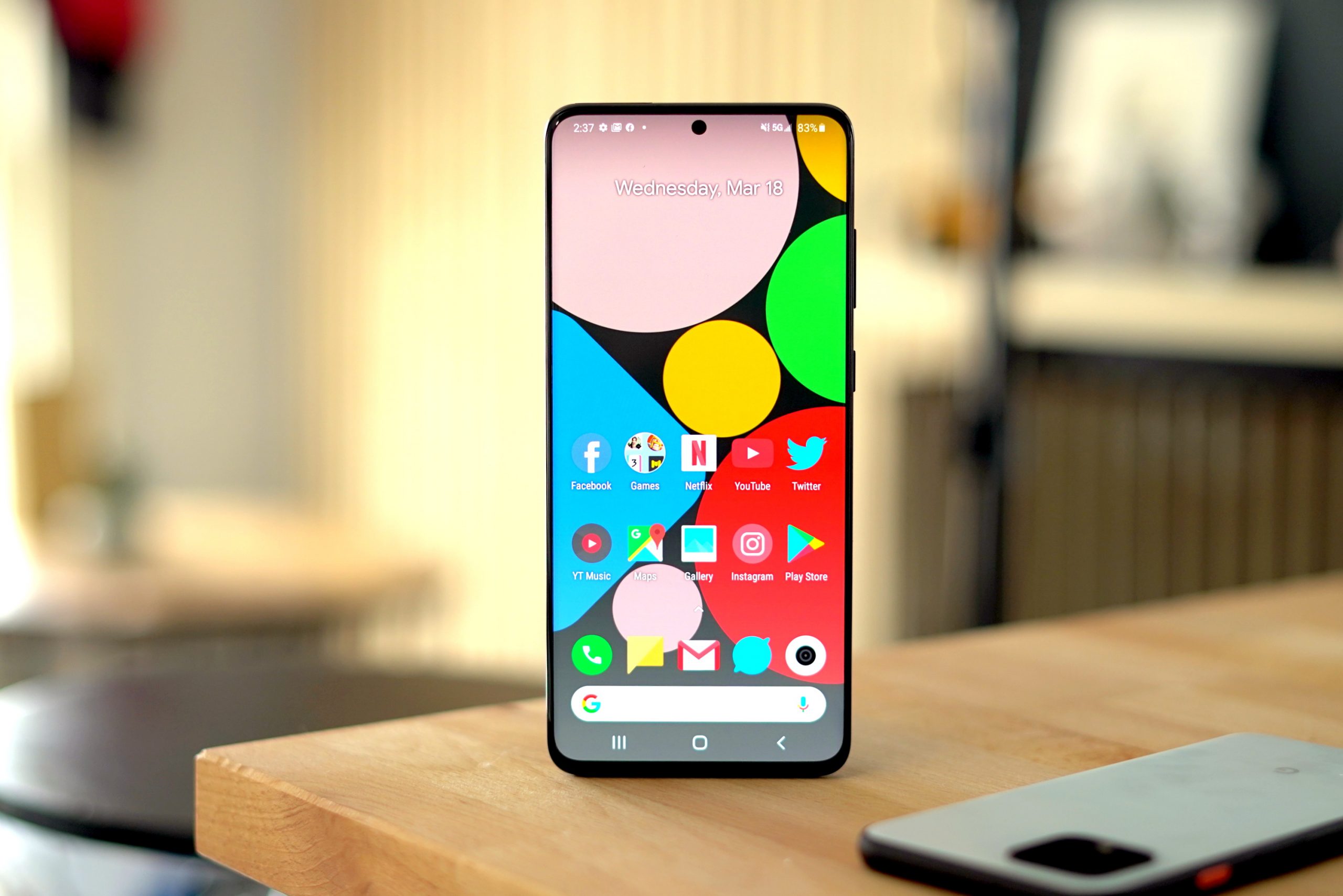
There is a growing movement among the Pixel faithful who feel that more does not always mean better. While Google continues to push its Gemini AI into every corner of the Android operating system, a vocal group of users is looking back at older models like the Pixel 7 with nostalgia. For these fans, the “AI-ification” of the modern smartphone experience has introduced more friction than it has solved.
The conversation recently exploded on Reddit, where a thread questioning if AI is ruining the Pixel experience gained massive traction. The core of the frustration stems from how deeply Gemini is now woven into the interface. For many, the simple act of using the Google Search pill or editing a screenshot now feels slower and more cluttered. Instead of a lightning-fast search, users are often met with a full-screen AI prompt that adds a layer of lag to what used to be an instantaneous action.
The Rise of “Slopification”
This push for AI everywhere is being described by some critics as the “slopification” of the user interface. The argument is that features like automated summaries and AI-driven suggestions are prioritized to keep users engaged with software rather than helping them finish a task quickly. While Google is the primary target for Pixel owners, the sentiment is spreading. Users of other major brands have expressed similar concerns, noting that manufacturers sometimes prioritize flashy software tricks over core pillars like reliable battery life and consistent camera performance.
The tension highlights a divide between corporate strategy and user preference. Google wants to lead the charge in the AI revolution, but many people just want a tool that works predictably. When the software starts adding extra taps to basic workflows or replaces familiar buttons with AI shortcuts, it can make a device feel less like a personal assistant and more like a billboard for new technology.
Seeking Speed and Stability
For those who feel their current device has become too bogged down, the solutions vary. Some power users are diving into the settings menu to disable features like AI Core or Android System Intelligence. By stripping back these layers, they hope to regain some of that “Stock Android” fluidity that made the Pixel line famous in the first place.
Others are keeping a close eye on the competition or waiting for performance-focused software updates to smooth out the rough edges. There is a clear desire for hardware that emphasizes speed and stability over experimental features. While high-end chips like the upcoming Exynos 2600 or the newest Snapdragon processors have the power to handle these tasks, the actual user experience depends heavily on how cleanly the software is implemented.
Ultimately, the frustration from long-time fans serves as a reminder that the best technology often feels invisible. When AI helps you take a better photo or filters out a spam call, it feels like magic. But when it gets in the way of a simple search or makes the phone feel slower, users will naturally start looking back at the “simpler” times. For now, Google seems committed to its AI-first path, leaving its most loyal fans to decide if they are willing to go along for the ride.