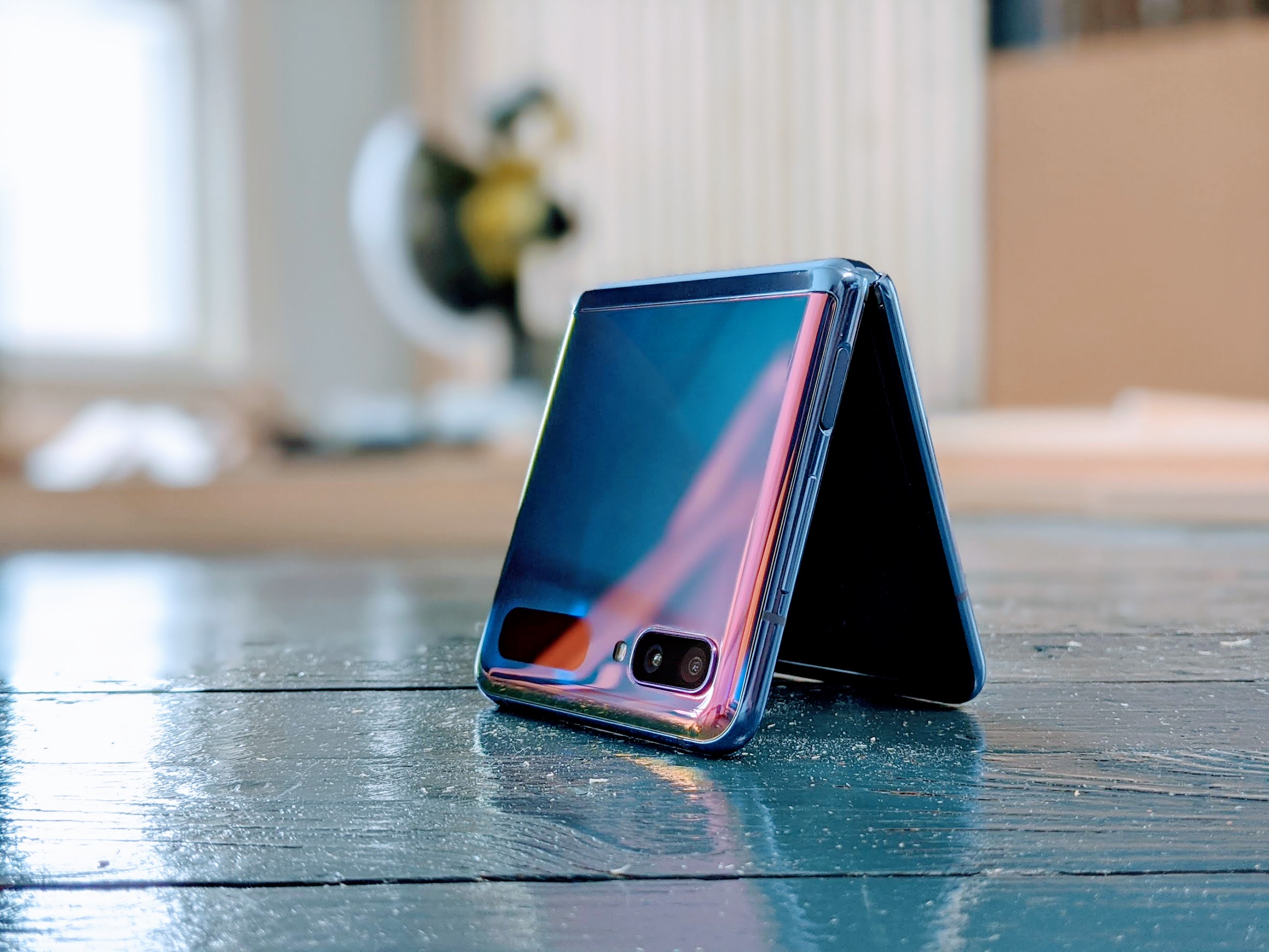
Xiaomi just keeps expanding its reach, and this time it’s bringing the Redmi Note 15 to global markets. If you’ve been watching the budget smartphone space, you know Xiaomi has a knack for delivering surprising value, and the Note 15 continues that tradition. It sits at the entry point of the new Note 15 series, with the more premium Redmi Note 15 Pro Plus handling flagship duties. But don’t let the “budget” label fool you. This phone packs features that make you forget its price tag.
| Metric | Value | Unit | Notes |
|---|---|---|---|
| Display Size & Type | 6.77 | inch | AMOLED panel with curved edges |
| Processor (SoC) | Snapdragon 6 Gen 3 | — | 4nm process, designed for efficient performance |
| RAM (Recommended) | 12 | GB | Optimal for multitasking and future-proofing |
| Battery Capacity | 5,520 | mAh | Large capacity for all-day endurance |
| Wired Charging | 45 | W | Fast charging support included |
| Main Camera | 108 | MP | High-resolution primary sensor |
| Ultra-wide Camera | 8 | MP | For wider landscape and group shots |
| Front Camera | 20 | MP | Selfie and video calling camera |
| IP Rating | IP66 | — | Dust tight and water resistant |
| Software | Android 15 | — | With Hyper OS 2 interface |
Design That Belies Its Budget Nature
Pick up the Redmi Note 15 and the first thing you’ll notice is how familiar it feels if you’ve handled last year’s Redmi Note 14 Pro. Xiaomi reused that successful design language, and honestly, why fix what isn’t broken? The curved display and rear panel create a comfortable in-hand feel that makes the phone seem more expensive than it is.
That 6.77-inch AMOLED screen dominates the front, with slim bezels that maximize the viewing area. The plastic chassis doesn’t feel cheap. It has a certain solidity to it, and the IP66 rating means you don’t have to panic if you get caught in the rain or accidentally spill something nearby. Dust won’t be sneaking into the ports either.
The large camera island on the back gives the phone a distinctive look. It’s not trying to hide what this device is about. Photography matters here, and the design announces that upfront.
Display Quality That Surprises
AMOLED at this price point still feels like a minor miracle. The 6.77-inch panel on the Redmi Note 15 delivers deep blacks and vibrant colors that make everything from social media scrolling to video watching genuinely enjoyable. The curved edges aren’t just for show. They reduce the appearance of bezels and make swipe gestures feel more natural.
I spent an evening watching a movie on this display, and I kept forgetting I was using a budget phone. The contrast ratio and color saturation compete with devices costing twice as much. Outdoor visibility is decent too, though you’ll want to crank up the brightness in direct sunlight.
Performance: Understanding the Snapdragon 6 Gen 3
Let’s talk about the Snapdragon 6 Gen 3 chip. This is where Xiaomi’s budget designation becomes apparent, but it’s important to understand what this processor actually delivers. Built on a 4nm process, it’s designed for efficiency rather than raw power. Think of it as the reliable sedan rather than the sports car.
Daily tasks like messaging, social media, web browsing, and even light gaming run smoothly. Where you might notice limitations is with intensive gaming or heavy multitasking with numerous apps running simultaneously. That’s why the 12GB RAM version is the one to get if you’re serious about this phone. That extra memory keeps things fluid when switching between apps and helps future-proof your purchase.
From an industry perspective, this chip choice makes sense. Xiaomi is balancing cost with capability, targeting users who want solid everyday performance without paying for horsepower they’ll never use. Compared to competitors in this segment, the Snapdragon 6 Gen 3 holds its own, especially when paired with that generous RAM configuration.
Camera Experience: More Than Megapixels
The 108MP main camera sounds impressive on paper, and in good lighting conditions, it delivers. I took the Redmi Note 15 on a weekend hike, and the daylight shots captured plenty of detail with natural color reproduction. The sensor uses pixel-binning technology, combining multiple pixels into one larger virtual pixel for better light capture in most shooting situations.
That 8MP ultra-wide camera is your go-to for landscapes and group photos. There’s some quality drop compared to the main sensor, but it gets the job done for social media sharing. The 20MP front camera handles selfies and video calls competently, with skin tones looking natural rather than overly smoothed.
Where the camera system shows its budget roots is in low-light performance and computational photography. Night shots require steady hands and patience, and the processing isn’t as sophisticated as on flagship devices. But for the price, you’re getting a versatile camera setup that covers most everyday scenarios.
Battery Life That Actually Lasts
Here’s where the Redmi Note 15 truly shines. That 5,520mAh battery is substantial, and in my testing, it consistently delivered a full day of heavy use with plenty to spare. We’re talking streaming video, GPS navigation, social media browsing, and messaging all mixed together.
The 45W charging speed means you can top up quickly when needed. From completely dead, you can get about 50% charge in 30 minutes, which is more than enough to get you through an evening out. Overnight charging brings you to 100% with time to spare.
This battery performance changes how you use your phone. You stop worrying about finding outlets during the day. You can use GPS navigation on a road trip without constantly checking battery percentage. It’s one of those practical benefits that makes a bigger difference in daily life than any spec sheet can convey.
Software: Android 15 Meets Hyper OS 2
Running Android 15 out of the box is a nice touch, putting the Redmi Note 15 on the latest software foundation. Xiaomi’s Hyper OS 2 interface layers on top, offering customization options and features that longtime MIUI users will recognize.
The software experience is generally smooth, with occasional stutters that remind you of the budget hardware. Xiaomi’s update track record has improved in recent years, but it’s still worth managing expectations about long-term support compared to Google’s Pixel lineup or Samsung’s commitment to extended updates.
Hyper OS 2 brings useful features like floating windows, enhanced privacy controls, and system-wide theming. The learning curve is minimal if you’re coming from another Android device, and the interface feels modern without being overly complicated.
The Value Proposition
What makes the Redmi Note 15 compelling isn’t any single feature. It’s how everything comes together at a price point that doesn’t break the bank. You get a large, quality AMOLED display, capable cameras, all-day battery life, and decent performance wrapped in a design that doesn’t scream “budget phone.”
As Xiaomi expands the Redmi Note 15’s availability to global markets, it faces competition from other budget contenders. But the combination of specs, build quality, and that massive battery gives it a distinct advantage.
For students, budget-conscious consumers, or anyone looking for a reliable secondary device, the Redmi Note 15 makes a strong case for itself. It proves that you don’t need to spend flagship money to get a phone that handles 95% of what most people do with their devices daily. Sometimes, the smartest choice isn’t the most expensive one, but the one that gives you exactly what you need without unnecessary extras. The Redmi Note 15 understands that balance, delivering a budget phone that doesn’t feel like one.