Xiaomi just dropped another contender into the global smartphone arena, and this one might make you rethink what a budget phone can actually deliver. The Redmi Note 15 has officially made its way to international markets, slotting into the bottom of the new Note 15 series while its more powerful sibling, the Note 15 Pro+, takes the premium spot. What we’re looking at here isn’t just another entry-level device. It’s a carefully crafted package that challenges the notion that affordable means compromised.
| Metric | Value | Unit | Notes |
|---|---|---|---|
| Display Size & Type | 6.77 | inch | AMOLED, curved edges |
| Processor (SoC) | Snapdragon 6 Gen 3 | — | 4nm process, mid-range efficiency |
| RAM / Storage | 12 / 256 | GB | Recommended configuration for smooth performance |
| Battery Capacity | 5,520 | mAh | Large capacity for all-day use |
| Wired Charging | 45 | W | Fast charging support included |
| Main Camera Sensor | 108 | MP | High-resolution primary shooter |
| Ultra-wide Camera | 8 | MP | For wider landscape shots |
| Front Camera | 20 | MP | Selfie and video calls |
| Weight | 185 | g | Plastic chassis, comfortable grip |
| IP Rating | IP66 | — | Dust tight, protected against water jets |
| Software | Android 15 | — | With Hyper OS 2 overlay |
Design That Belies Its Price Tag
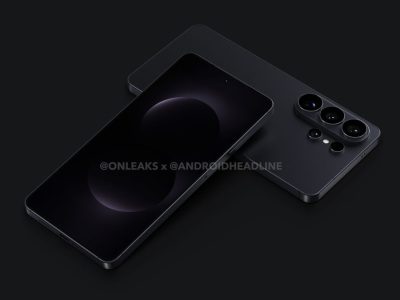
Pick up the Redmi Note 15, and your first thought probably won’t be “budget phone.” Xiaomi has carried over the curved display and rear panel design from the Note 14 Pro, creating a device that feels more expensive than it actually is. The plastic chassis doesn’t scream premium, but it’s executed well, with a solid heft and reassuring click to the buttons. That IP66 rating means you don’t have to panic when caught in the rain or when dust starts flying around a construction site. It’s the kind of practical durability that makes sense for a phone meant to be used daily without kid gloves.
The curved edges aren’t just for show. They make the 6.77-inch display feel more manageable in hand, reducing that slab-like sensation you get with flat-screen phones. Xiaomi understands that how a phone feels matters just as much as what it does, and they’ve nailed the ergonomics here.
An AMOLED Display That Pops
That 6.77-inch AMOLED screen is where the Redmi Note 15 starts separating itself from the budget pack. AMOLED technology means deeper blacks, more vibrant colors, and better contrast than you’d typically find at this price point. Watching videos feels immersive, with colors that pop without looking oversaturated. Reading articles or browsing social media becomes easier on the eyes, thanks to the pixel-level control that AMOLED offers.
I spent an afternoon outside with the phone, and the display remained readable even in direct sunlight. That’s not something you can take for granted with budget devices. The curved edges add a subtle premium touch, making swipes and gestures feel fluid and natural. It’s one of those features you don’t realize you appreciate until you go back to a flat-screen device.
Performance: Snapdragon 6 Gen 3 Explained Simply
Let’s talk about the brain of this operation, the Snapdragon 6 Gen 3 processor. Qualcomm designed this chip specifically for the mid-range segment, built on a 4nm manufacturing process. What does that mean in plain English? It’s efficient, it doesn’t get too hot, and it handles everyday tasks without breaking a sweat.
Here’s where Xiaomi’s configuration choice matters. They’re offering a 12GB RAM version, and I can’t stress this enough, get it if you’re considering this phone. That extra memory keeps apps ready in the background, prevents reloading when you switch between them, and generally makes the whole experience smoother. Think about it like having a bigger workspace, you can spread out your projects without constantly cleaning up.
You won’t be playing the latest graphically intensive games at max settings, but for social media, streaming, web browsing, and even some casual gaming, the Snapdragon 6 Gen 3 is more than capable. It’s the kind of performance that doesn’t call attention to itself, it just works, which is exactly what most people want from their daily driver.
Camera System: More Than Megapixels
That 108MP main camera sensor looks impressive on paper, but what does it actually deliver? In good lighting, you get detailed shots with plenty of information for cropping or editing. The high resolution means you can zoom into photos and still see fine details that would be lost with lower-resolution sensors.
The 8MP ultra-wide gives you flexibility for landscapes or group shots, though don’t expect the same level of detail as the main sensor. That 20MP front camera handles selfies and video calls competently, with skin tones that look natural rather than artificially smoothed.
I took the Redmi Note 15 to a dimly lit restaurant, and here’s where the reality of budget photography shows. The camera struggles a bit in low light, producing images that can look noisy or soft. But for daytime shots, outdoor scenes, or well-lit interiors, it performs surprisingly well. The camera software does a decent job of processing images quickly, so you’re not waiting around after pressing the shutter.
Battery Life That Gets You Through Anything
That 5,520mAh battery capacity in the table above translates to real-world staying power. I used the Redmi Note 15 as my primary device for a day that included two hours of streaming video, constant messaging, social media scrolling, and some camera use. By bedtime, I still had around 30% left. For most people, this means a full day of use with room to spare.
The 45W charging brings the phone from empty to about 70% in roughly 30 minutes. That’s the kind of speed that changes your routine. Forget to charge overnight? Plug it in while you shower and have breakfast, and you’re good for the day. It’s practical technology that solves real problems rather than just looking good on a spec sheet.
Compared to some mid-range powerhouse competitors, the Redmi Note 15 holds its own in the battery department. The combination of the efficient Snapdragon processor and large battery capacity creates a device that won’t leave you searching for outlets.
Software: Android 15 with Hyper OS 2
Running Android 15 out of the box with Xiaomi’s Hyper OS 2 overlay, the Redmi Note 15 feels current and responsive. Hyper OS 2 brings some useful customization options and features without overwhelming the clean Android experience. Animations feel smooth, transitions are quick, and the overall interface has a polished feel that belies the phone’s budget positioning.
The question with any Xiaomi device is always software support. While we don’t have official confirmation yet, Xiaomi has been improving their update commitments recently. For a phone at this price point, even two years of security updates and one major OS update would be reasonable, though competitive pressure might push them to do more.
The Value Proposition
What Xiaomi has created with the Redmi Note 15 is what I’d call a budget phone that doesn’t feel like one. The AMOLED display, capable camera system, all-day battery life, and thoughtful design choices add up to a package that challenges more expensive devices.
This is part of a larger trend we’re seeing, when budget phones stop feeling like compromises. Manufacturers are realizing that people want good experiences at accessible prices, not just the cheapest possible hardware.
The Redmi Note 15 makes the most sense for someone who wants a large, vibrant display, reliable battery life, and competent performance without spending flagship money. It’s for the person who appreciates good design but has practical budget constraints. Students, young professionals, or anyone looking for a dependable secondary device will find a lot to like here.
Xiaomi’s global expansion with the Redmi Note 15 isn’t just about selling another phone. It’s about redefining what we expect from the budget segment. When you can get an AMOLED display, 108MP camera, and all-day battery life at an accessible price point, the entire market has to raise its game. And that’s ultimately good for everyone who buys smartphones.