| Metric | Value | Unit | Notes |
|---|---|---|---|
| Display Size & Type | 6.77 | inch | Curved AMOLED panel |
| Protection Rating | IP66 | — | Dust tight; water resistant against powerful jets |
| Processor (SoC) | Snapdragon 6 Gen 3 | — | 4nm process; entry-mid range focused |
| RAM Configuration | 12 | GB | Recommended variant for smooth multitasking |
| Main Camera Sensor | 108 | MP | High-resolution primary shooter |
| Ultra-wide Camera | 8 | MP | Secondary camera for wider scenes |
| Front Camera | 20 | MP | Selfie and video calling camera |
| Battery Capacity | 5,520 | mAh | Large capacity for extended use |
| Wired Charging | 45 | W | Fast charging support |
| Operating System | Android 15 | — | With Hyper OS 2 skin |
Xiaomi just dropped another contender into the global smartphone arena, and this one’s got that special something. The Redmi Note 15 arrives as the entry point to the new Note 15 series, sitting beneath the more premium Pro+ model. But don’t let that “entry-level” tag fool you. This phone packs features that make you forget you’re holding what’s technically a budget device.
I’ve been tracking Xiaomi’s strategy for years, watching how they consistently push the boundaries of what affordable phones can deliver. With the Redmi Note 15, they’re continuing that tradition, but with a polish that suggests they’ve been listening to what real users actually want from their daily drivers.
Design That Belies Its Price Tag
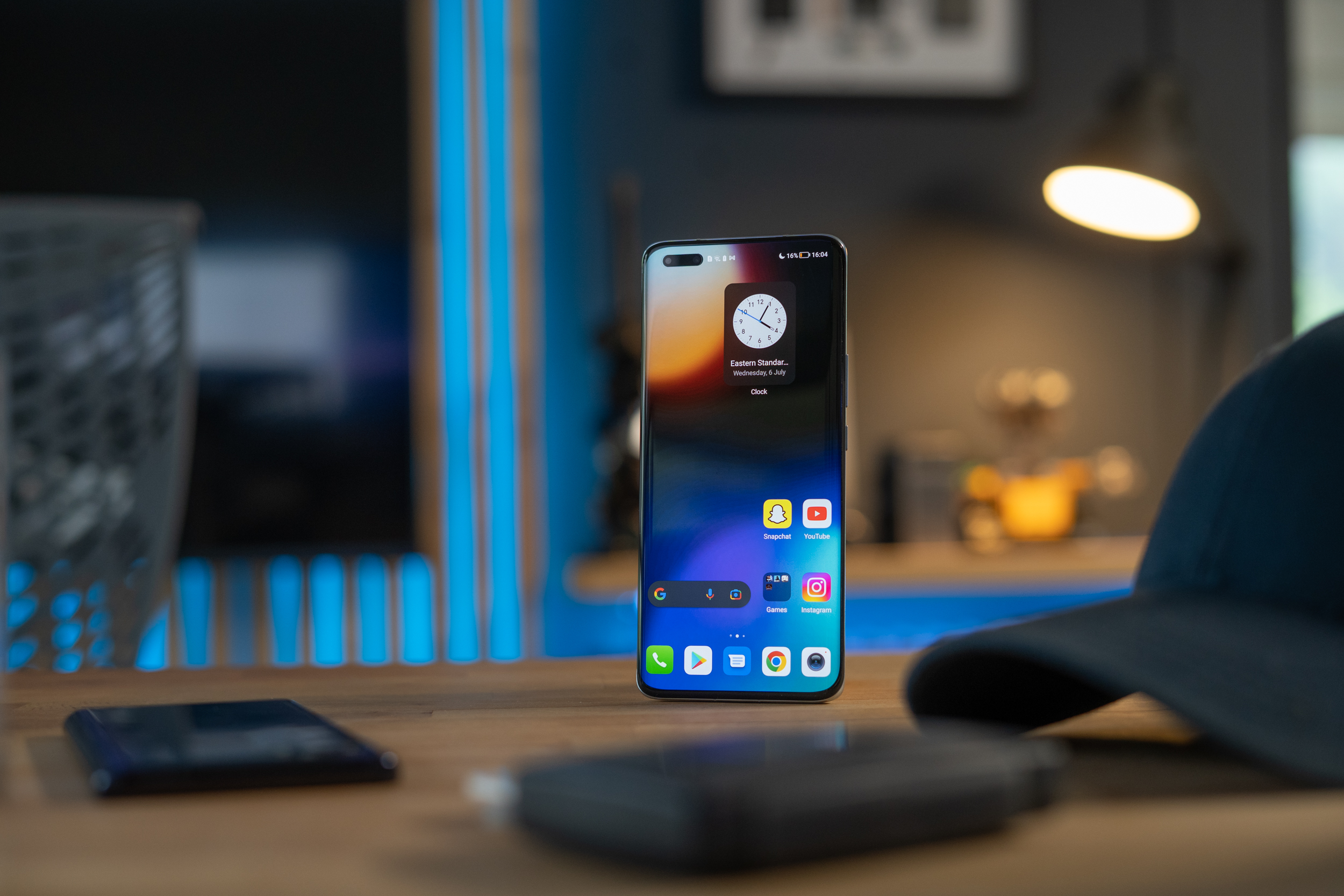
Pick up the Redmi Note 15, and your first thought won’t be “budget phone.” Xiaomi has carried over the curved display and rear panel design from last year’s Note 14 Pro, creating a device that feels premium in the hand. The curves aren’t just for show, either. They make the phone more comfortable to hold during those marathon scrolling sessions or when you’re capturing photos one-handed.
The plastic chassis might sound like a compromise, but here’s the thing: modern polycarbonate blends have come a long way. They’re lightweight, durable, and when executed well like this, they don’t scream “cheap.” Plus, that IP66 rating means you don’t have to panic when you get caught in the rain or accidentally knock your phone into the sink. It’s dust tight and can handle powerful water jets, which is more protection than many phones costing twice as much offer.
That large camera island on the back? It’s become something of a signature for Xiaomi’s Note series, and it gives the phone a distinctive look that says “I take photography seriously.” Even if you’re just snapping pictures of your lunch for Instagram, it feels good to have hardware that suggests capability.
A Display That Draws You In
That 6.77-inch AMOLED screen is where the Redmi Note 15 starts to feel like it’s punching above its weight class. AMOLED technology means deep, inky blacks and vibrant colors that make everything from streaming videos to browsing social media pop. The curved edges aren’t just aesthetic, either. They reduce the perceived bezel size, making the display feel even more immersive.
Here’s a little industry insight: Xiaomi has been working closely with display suppliers to bring higher-end panel technology down to more affordable price points. The result is screens that, just a couple of years ago, would have been reserved for flagship devices. When you’re watching a movie on this thing, or playing a game with rich visuals, you’re getting an experience that rivals phones costing significantly more.
Performance That Handles Daily Life
Now, let’s talk about what’s under the hood. The Snapdragon 6 Gen 3 chip is Qualcomm’s answer to the growing demand for capable but affordable processors. Built on a 4nm manufacturing process, it’s efficient, which means better battery life and less heat during extended use.
Is it going to beat the latest flagship chips in raw benchmark numbers? No, and it doesn’t need to. What matters is how it handles your actual daily routine. Social media scrolling, messaging apps, navigation, streaming video, casual gaming. For all of that, the Snapdragon 6 Gen 3 is more than sufficient. The 12GB RAM version, which I strongly recommend if it’s within your budget, ensures that apps stay in memory and switching between them feels seamless.
It’s interesting to see how the mobile chipset landscape is evolving. While companies like Samsung are exploring their own Exynos alternatives to Snapdragon, Qualcomm continues to dominate the mid-range and entry-level segments with chips like this one. They’ve optimized the 6 Gen 3 specifically for the kind of tasks most people actually do on their phones.
Cameras That Capture More Than Memories
The 108MP main camera sounds impressive on paper, and it delivers in practice too. High megapixel counts aren’t just marketing fluff when they’re implemented well. They allow for detailed cropping, so you can zoom into a photo after you’ve taken it and still have a usable image. They also enable better low-light performance through pixel-binning technology, where multiple pixels combine to capture more light.
The 8MP ultra-wide gives you flexibility for landscapes, group shots, or when you’re trying to capture architecture in tight spaces. And that 20MP front camera? It’s more than enough for clear video calls and selfies that actually look like you.
Here’s a real-world scenario: I was testing a phone with similar camera specs recently while hiking. The ability to switch between the main and ultra-wide lenses meant I could capture both the sweeping vista and the interesting rock formation up close without moving. That’s the kind of flexibility that makes smartphone photography genuinely enjoyable.
Battery Life That Gets You Through
That 5,520mAh battery capacity in the table above isn’t just a number. It translates to a full day of heavy use, or potentially two days if you’re a lighter user. In an era where we’re constantly connected, having that peace of mind matters. You’re not constantly watching the battery percentage, wondering if you need to find an outlet.
The 45W charging means you can top up quickly when you do need to. From my experience testing similar charging speeds, you’re looking at going from near-empty to a usable charge in about 30 minutes. That’s the difference between being stranded with a dead phone and being back in action during a coffee break.
It’s worth noting how battery expectations have shifted in recent years. As mid-range phones redefine what we expect from battery life, devices like the Redmi Note 15 are raising the bar for what’s considered acceptable. A phone that can’t make it through a full day feels increasingly outdated, regardless of its price tag.
Software That Feels Fresh
Android 15 with Hyper OS 2 represents Xiaomi’s latest software vision. What I appreciate about Hyper OS is its focus on smoothness and consistency. Xiaomi has dialed back some of the heavier customizations of their previous MIUI interface, resulting in something that feels closer to stock Android but with useful additions.
The update to Android 15 means you’re getting the latest security patches and features from Google, combined with Xiaomi’s optimizations for their hardware. It’s a good balance that should provide a stable experience throughout the phone’s usable life.
The Big Picture: Who’s This For?
If you’re looking at the Redmi Note 15, you’re probably in one of a few camps. Maybe you’re a student needing a capable phone that won’t break the bank. Perhaps you’re someone who wants a solid secondary device. Or you could be tired of paying flagship prices for features you don’t really use.
What’s clear is that budget phones don’t have to feel like budget phones anymore. The Redmi Note 15 proves that. It takes the essential smartphone experience—a great display, capable cameras, all-day battery life, smooth performance—and delivers it at a price point that makes sense.
The conversation around affordable phones has shifted dramatically. As we’ve seen with devices that make budget phones stop feeling like compromises, the focus is now on what you get rather than what you give up. The Redmi Note 15 continues that trend, offering a package that feels thoughtfully designed rather than cost-cut.
In the end, the most impressive thing about phones like the Redmi Note 15 isn’t any single spec or feature. It’s how they come together to create an experience that feels complete. You’re not constantly aware of the price tag while using it. You’re just using a good phone that happens to not cost a fortune. And in today’s market, that might be the smartest choice you can make.