| Metric | Value | Unit | Notes |
|---|---|---|---|
| Display Size & Type | 6.77 | inch | AMOLED, curved edges |
| Protection Rating | IP66 | — | Dust tight; water resistant against powerful jets |
| Processor (SoC) | Snapdragon 6 Gen 3 | — | 4nm process, mid-range efficiency focus |
| RAM / Storage Options | Up to 12 | GB | Recommended configuration for multitasking |
| Main Camera Sensor | 108 | MP | High-resolution sensor with pixel binning |
| Ultra-wide Camera | 8 | MP | Wide-angle shooter for landscapes |
| Front Camera | 20 | MP | Selfie camera with portrait modes |
| Battery Capacity | 5,520 | mAh | Large capacity for all-day use |
| Wired Charging | 45 | W | Fast charging support |
| Operating System | Android 15 | — | With Hyper OS 2 skin |
You know that moment when you pick up a phone expecting budget compromises, but your fingers tell a different story? That’s the Redmi Note 15 in a nutshell. Xiaomi has been quietly reshaping what we expect from affordable smartphones, and their latest global expansion brings the Note 15 to markets that have been waiting for a device that punches above its price tag.
Design That Belies Its Price
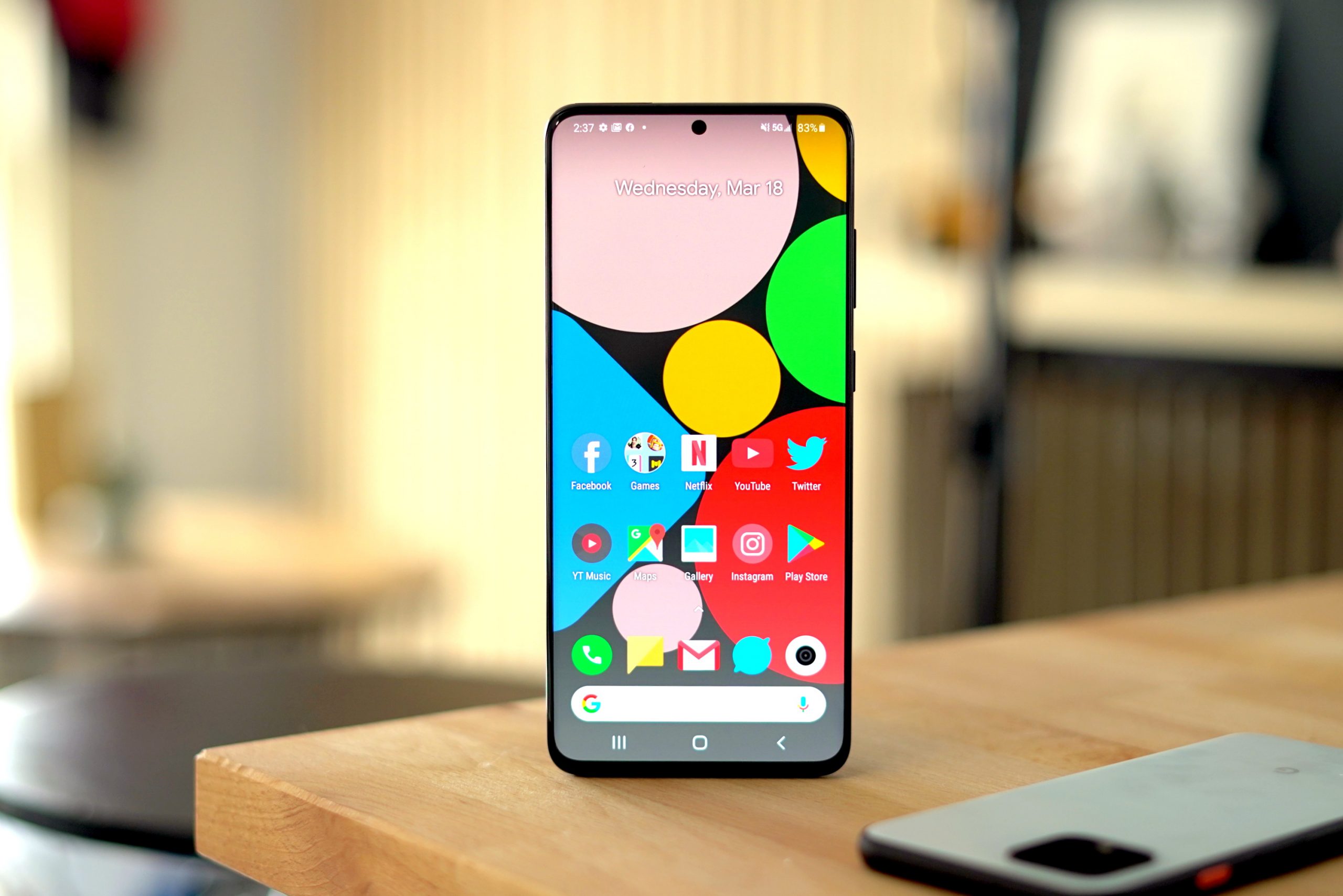
If you’ve handled last year’s Redmi Note 14 Pro, the Note 15 will feel immediately familiar, and that’s not a bad thing. Xiaomi has refined a design language that works, keeping the curved display and rear panel that make the phone comfortable to hold during those marathon scrolling sessions. The plastic chassis doesn’t scream premium, but it’s executed with a precision that makes you forget you’re holding a budget device.
What really impresses is the IP66 rating. For a phone at this price point, having proper dust and water protection changes how you use it daily. You won’t panic when caught in sudden rain, and beach trips become less stressful. The large camera island at the back gives it a distinctive look that’s become signature Redmi, though some might find it a bit prominent.
A Display That Surprises
That 6.77-inch AMOLED screen is where the Redmi Note 15 starts feeling like it shouldn’t belong in the budget category. AMOLED technology means each pixel lights up independently, giving you those deep, inky blacks that make content pop. Colors have that vibrant quality that LCD panels struggle to match, and the curved edges add a touch of sophistication that most phones in this segment lack.
Using it for everything from reading articles to watching videos, the display holds up remarkably well. Brightness is adequate for outdoor use, though you might need to crank it up on particularly sunny days. The size makes it great for media consumption, but one-handed operation can be a stretch for smaller hands. It’s a trade-off that makes sense for the target audience.
Performance: Understanding the Snapdragon 6 Gen 3
Let’s talk about the Snapdragon 6 Gen 3, because this is where Xiaomi’s budget designation becomes apparent. This isn’t a flagship chip, and it doesn’t pretend to be. Built on a 4nm process, it’s designed for efficiency rather than raw power. Think of it as the reliable sedan of processors, it gets you where you need to go without the sports car acceleration.
Daily tasks like social media, messaging, and web browsing feel perfectly smooth. Where you’ll notice limitations is with heavier gaming or intensive multitasking. This is why that 12GB RAM version makes so much sense. Having that extra memory headroom means the phone can keep more apps in memory, reducing those frustrating reloads when switching between applications.
Compared to what we’ve seen in some mid-range competitors, the performance profile is different. It’s not about beating benchmarks, it’s about delivering consistent, reliable performance that doesn’t drain the battery in two hours.
Camera System: More Than Megapixels
That 108MP main camera sounds impressive on paper, but let’s break down what it actually means. The high megapixel count allows for pixel binning, where multiple pixels combine to capture more light information. In practice, this means better low-light performance and more detail in your shots than you’d expect from a budget phone.
The 8MP ultra-wide gives you flexibility for landscapes and group shots, though don’t expect the same level of detail as the main sensor. That 20MP front camera handles selfies competently, with portrait modes that do a decent job of separating subject from background.
I took the Note 15 on a weekend hike, and the results surprised me. Daylight shots had good dynamic range, colors looked natural rather than oversaturated, and the camera app was responsive. Low-light performance requires some patience, and you’ll want to keep the phone steady, but for social media sharing and casual photography, it’s more than capable.
Battery Life That Lasts
Here’s where the Redmi Note 15 truly shines. That 5,520mAh battery isn’t just a number on a spec sheet, it translates to real-world endurance that changes how you use your phone. After a full day of mixed use, including streaming, navigation, and camera use, I consistently had 30-40% remaining by bedtime.
The 45W charging might not match the insane speeds of some flagship devices, but it’s perfectly practical. A 30-minute charge gets you from empty to around 65%, which is more than enough to get through the rest of your day. The charging standard uses Xiaomi’s proprietary technology, so you’ll want to use the included charger for best results.
Battery chemistry has come a long way, and modern cells like the one in the Note 15 maintain their capacity better over time than older generations. Combined with software optimizations in Hyper OS 2, you’re looking at a device that should maintain its battery health reasonably well over a couple of years of use.
Software Experience: Android 15 Meets Hyper OS 2
Launching with Android 15 is a significant advantage for the Redmi Note 15. You’re getting the latest features and security improvements from Google, layered with Xiaomi’s Hyper OS 2 skin. The interface feels clean and responsive, with thoughtful additions that enhance rather than clutter the experience.
Hyper OS 2 brings better memory management, improved haptic feedback, and system-wide optimizations that make the most of the hardware. The haptics in particular deserve mention, they’re precise and satisfying without being overwhelming, a detail often overlooked in budget devices.
Software support is always the question with budget phones. While we don’t have official confirmation on update timelines, Xiaomi has been improving their track record. The combination of Android 15’s foundation and Hyper OS 2’s optimizations suggests a device that should remain usable and secure for the foreseeable future.
Value Proposition and Final Thoughts
The Redmi Note 15 arrives at an interesting time for budget smartphones. The gap between affordable and premium devices keeps narrowing, and phones like this demonstrate how much you can get without breaking the bank. It’s not trying to be something it’s not, instead focusing on delivering a balanced experience where compromises feel intentional rather than cheap.
Compared to the Redmi Note 15 Pro Plus, you’re getting a more focused package. The Pro Plus model offers additional features for those willing to spend more, but the base Note 15 covers the essentials remarkably well.
Who is this phone for? Students, budget-conscious consumers, secondary device users, or anyone who wants capable smartphone features without flagship pricing. It’s also worth considering as a backup device or for family members who need reliability over cutting-edge features.
The global expansion means more people get access to what Xiaomi does best, delivering surprising value at accessible price points. The Redmi Note 15 doesn’t rewrite the rules of budget smartphones, but it follows them with a confidence and polish that makes you forget you’re holding an affordable device. And in today’s market, that might be the most impressive trick of all.