| Metric | Value | Unit | Notes |
|---|---|---|---|
| Display Size & Type | 6.77 | inch | AMOLED, curved edges |
| Protection Rating | IP66 | — | Dust tight; water resistant against powerful jets |
| Processor (SoC) | Snapdragon 6 Gen 3 | — | 4nm process; entry-mid range chipset |
| RAM Configuration | 12 | GB | Recommended configuration for smooth multitasking |
| Main Camera | 108 | MP | High-resolution sensor with pixel binning |
| Ultra-wide Camera | 8 | MP | Wide-angle shooter for landscapes |
| Front Camera | 20 | MP | Selfie camera with portrait capabilities |
| Battery Capacity | 5,520 | mAh | Large capacity for extended daily use |
| Wired Charging | 45 | W | Fast charging with included adapter |
| Operating System | Android 15 | — | With Hyper OS 2 skin |
Xiaomi just dropped another global contender, and this one might surprise you. The Redmi Note 15 has officially made its way to international markets, bringing with it a package that challenges what we typically expect from budget smartphones. If you have been following Xiaomi’s strategy, you know they have a knack for delivering premium touches at accessible prices. This latest entry continues that tradition, but with some refinements that make it stand out in a crowded field.
Design That Belies Its Price Tag
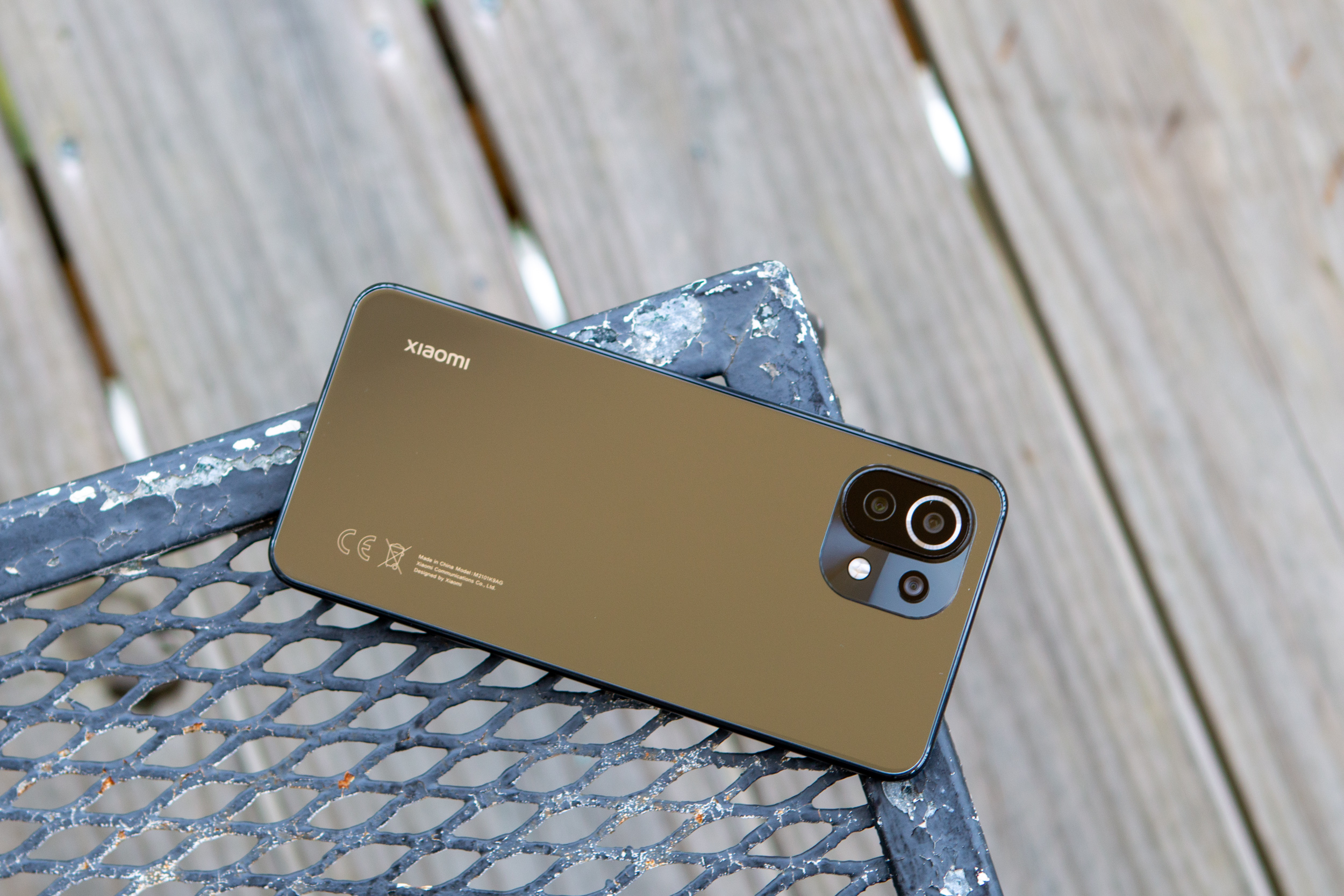
Pick up the Redmi Note 15, and your first impression won’t scream “budget phone.” Xiaomi has carried over the curved display and rear panel design from its predecessor, creating a device that feels more expensive than it actually is. The plastic chassis doesn’t detract from the experience, not when it’s wrapped around that generous 6.77-inch AMOLED screen. What really impresses is the IP66 rating, a feature you don’t always find at this price point. It means you can use this phone confidently in the rain or at the beach without worrying about dust or water damage.
The curved edges make the phone comfortable to hold, even with that large display. Your thumb naturally glides across the surface when navigating, and the weight distribution feels balanced. It’s one of those details that shows Xiaomi understands daily usability, not just spec sheets.
Display Quality That Delivers
That 6.77-inch AMOLED panel deserves special attention. AMOLED technology means deeper blacks and more vibrant colors compared to traditional LCD screens. Each pixel emits its own light, which allows for true blacks by simply turning pixels off. The result is better contrast ratios and improved battery efficiency when displaying dark content.
During daylight hours, the screen remains readable thanks to adequate brightness levels. Watching videos or scrolling through social media feels immersive on this size display. Xiaomi typically sources their AMOLED panels from Chinese manufacturers like BOE or Visionox, keeping costs down while maintaining quality that rivals more expensive devices.
Performance You Can Actually Use
Under the hood, the Snapdragon 6 Gen 3 chipset handles daily tasks with competence. This processor sits in Qualcomm’s entry-mid range tier, built on a 4nm manufacturing process. What does that mean in practical terms? Better power efficiency and adequate performance for most applications.
The 12GB RAM configuration shown in our metrics table above makes a significant difference. With this much memory, you can keep multiple apps running in the background without constant reloading. Switch between your messaging app, browser, and social media, and everything stays right where you left it. For comparison, many phones in this segment still offer 6GB or 8GB as their top configuration.
Gaming performance is respectable for casual titles. You won’t be pushing the highest graphics settings in demanding games, but popular titles like Call of Duty Mobile or Genshin Impact run smoothly at medium settings. The thermal management keeps things comfortable during extended sessions.
Camera System With Surprising Capability
Here is where the Redmi Note 15 really stretches its budget designation. The 108MP main camera uses pixel binning technology, combining multiple pixels into one larger virtual pixel. This process improves light capture and reduces noise, especially in challenging lighting conditions.
Imagine walking through a city at dusk, wanting to capture the fading light against building silhouettes. The Redmi Note 15 handles these scenes better than you might expect. The 8MP ultra-wide lens gives you flexibility for landscapes or group shots, while the 20MP front camera handles selfies with natural skin tones.
Xiaomi’s camera software has matured over the years, offering features like night mode, portrait mode with adjustable bokeh, and various AI enhancements. The processing tends to favor vibrant colors that pop on social media, which is exactly what most users want from their smartphone cameras.
Battery Life That Lasts
With that 5,520mAh battery capacity, the Redmi Note 15 easily powers through a full day of use. We are talking about streaming video, browsing, messaging, and some light gaming, all without reaching for the charger before bedtime. This kind of endurance changes how you use your phone, removing that constant battery anxiety.
The 45W charging speed means you can top up quickly when needed. A 30-minute charge gets you from empty to around 65 percent, enough to keep going for several more hours. It’s not the fastest charging available today, but it’s more than sufficient for most people’s routines. For context, this charging speed compares favorably with what you would find in other mid-range powerhouses currently on the market.
Software Experience and Long-Term Value
Android 15 with Xiaomi’s Hyper OS 2 brings a clean, customizable interface to the Redmi Note 15. The software feels responsive, with smooth animations and thoughtful features. Xiaomi has been improving their update commitment in recent years, though exact support timelines vary by region.
What stands out is how the software complements the hardware. Features like split-screen multitasking make sense on this large display, and the haptic feedback feels precise rather than buzzy. It’s these small touches that elevate the experience beyond basic functionality.
From an industry perspective, Xiaomi’s global expansion with devices like the Redmi Note 15 demonstrates their understanding of different market needs. They have built supply chain relationships that allow them to offer these specifications at competitive prices while maintaining reasonable profit margins. It’s a balancing act that few companies manage as consistently.
The Bigger Picture
The Redmi Note 15 arrives at an interesting time for budget smartphones. Consumers have become more discerning, expecting better displays, longer battery life, and capable cameras even at lower price points. Xiaomi has responded with a device that checks these boxes while adding some premium touches.
When you consider the complete package, the display quality, battery capacity, and camera system work together to create a device that feels more capable than its price suggests. It’s a similar approach we have seen with devices like the Redmi Note 15 Pro Plus, just scaled for a different segment of the market.
For anyone shopping in the budget to mid-range category, the Redmi Note 15 deserves serious consideration. It delivers where it matters most, daily usability and core features, without cutting too many corners. The IP66 rating provides peace of mind, the AMOLED display offers visual pleasure, and the battery ensures you won’t be stranded without power.
As smartphone technology continues to trickle down from flagship devices, we are seeing more of these budget phones that don’t feel like budget phones. The Redmi Note 15 stands as a strong example of this trend, offering a balanced experience that should satisfy most users looking for value without significant compromise. Whether you are upgrading from an older device or looking for a reliable daily driver, this phone makes a compelling case for itself in today’s crowded market.