| Metric | Value | Unit | Notes |
|---|---|---|---|
| Display Size & Type | 6.77 | inch | AMOLED, curved edges |
| Protection Rating | IP66 | — | Dust tight; water resistant against powerful jets |
| Processor (SoC) | Snapdragon 6 Gen 3 | — | 4nm process; designed for budget to mid-range devices |
| RAM / Storage | 12 / 256 | GB | Recommended configuration for smooth performance |
| Battery Capacity | 5,520 | mAh | Large capacity for extended daily use |
| Wired Charging | 45 | W | Fast charging support included |
| Main Camera | 108 | MP | High-resolution sensor for detailed shots |
| Ultra-wide Camera | 8 | MP | For wider landscape and group shots |
| Front Camera | 20 | MP | Selfie camera with good detail capture |
| Operating System | Android 15 | — | With Hyper OS 2 skin |
| Build Material | Plastic | — | Chassis with curved design |
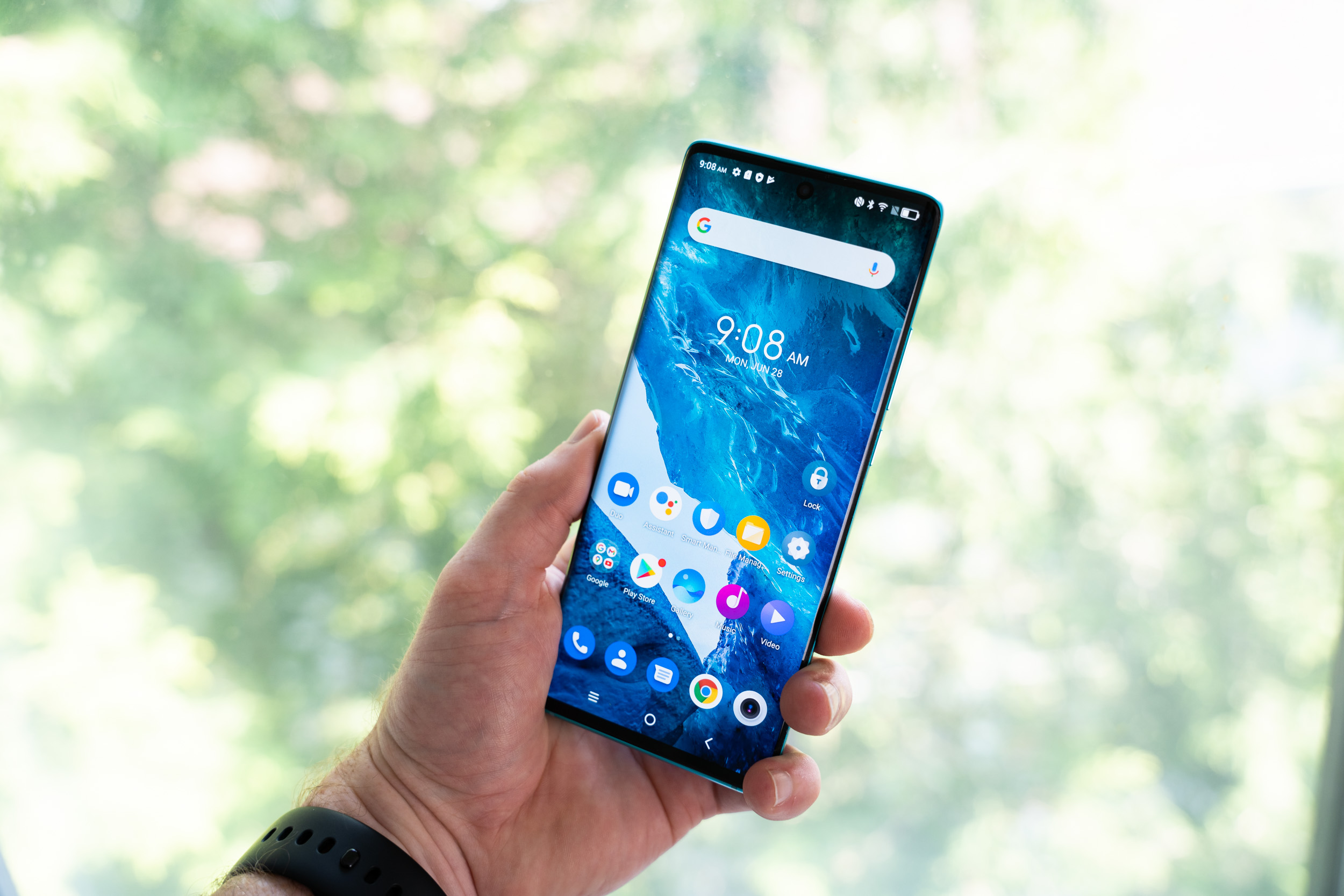
Xiaomi’s latest global expansion brings us the Redmi Note 15, a device that proves budget phones don’t have to feel cheap. Holding it for the first time, you notice something interesting. The curved edges melt into your palm, and that 6.77-inch AMOLED display immediately grabs your attention with its rich colors and deep blacks. It’s one of those moments where you realize how far budget smartphones have come.
Design That Belies Its Price Tag
If you’ve handled last year’s Redmi Note 14 Pro, the Note 15 will feel instantly familiar, and that’s not a bad thing. Xiaomi has refined a design language that works. The plastic chassis doesn’t scream premium, but it doesn’t feel flimsy either. There’s a solidity to it that suggests careful engineering. The IP66 rating means you can take this phone out in the rain without that familiar pang of anxiety. Dust won’t find its way into the ports, and powerful water jets won’t phase it. For daily use, that peace of mind matters more than you might think.
The large camera island at the back gives the phone a distinctive look. It’s not trying to hide what it is. This is a photography-focused device, even at this price point. The curved rear panel continues the theme started by the display, creating a cohesive feel that’s rare in this segment. Xiaomi understands that good design isn’t just about materials. It’s about how everything comes together in your hand.
Display Technology Made Accessible
That 6.77-inch AMOLED panel deserves special attention. AMOLED technology means each pixel lights up independently. Blacks are truly black, not dark gray. Colors pop with a vibrancy that LCD screens at this price simply can’t match. Watching videos or scrolling through photos becomes a genuinely enjoyable experience.
What’s particularly impressive is how Xiaomi has managed to bring curved display technology down to the budget segment. The curves aren’t just for show. They reduce perceived bezels and make gestures feel more natural. Your thumb slides off the edge of the screen smoothly when you’re navigating. It’s a small detail, but it contributes to that premium feel the phone cultivates so effectively.
Performance Where It Counts
Powering the Redmi Note 15 is Qualcomm’s Snapdragon 6 Gen 3 chip. Now, let’s be clear about what this means. This isn’t a flagship processor. It’s built on a 4nm manufacturing process, which is surprisingly advanced for a budget chip. The smaller the nanometer number, generally, the more efficient the processor. Efficiency matters here because it directly impacts battery life.
The Snapdragon 6 Gen 3 handles everyday tasks with ease. Social media scrolling, messaging apps, web browsing, they all feel smooth. Where you might notice limitations is with intensive gaming or heavy multitasking. That’s why the 12GB RAM version makes so much sense. With more RAM, the phone can keep more apps in memory, reducing reload times when you switch between them. It’s the difference between a phone that works and a phone that works well.
Xiaomi’s strategy here is interesting. They’re not trying to compete with flagship performance. Instead, they’re optimizing for the tasks most people actually do. It’s a practical approach that makes the Redmi Note 15 feel more capable than its specifications might suggest on paper.
Camera System: More Than Megapixels
The 108MP main camera sounds impressive, and it is, but megapixels aren’t everything. What matters is how the camera software processes those pixels. In good light, you’ll get detailed shots with plenty of information for cropping or editing. The high resolution means you can zoom in digitally and still retain usable detail.
The 8MP ultra-wide camera gives you flexibility for landscapes or group shots. It’s not going to match the main sensor for quality, but having that option changes how you approach photography. Suddenly, you’re not limited by what fits in the standard frame. The 20MP front camera handles selfies competently, with enough detail for social media without over-sharpening everything into unnatural territory.
Here’s a real-world scenario. You’re at a family gathering as the sun sets. The light is fading fast. You pull out the Redmi Note 15, and the camera software does something clever. It combines multiple pixels from that 108MP sensor to create better low-light shots. The result isn’t flagship quality, but it’s surprisingly good for the price. You capture the moment instead of a blurry mess. That’s what modern computational photography enables, even on budget devices.
Battery Life That Lasts
The 5,520mAh battery capacity shown in the metrics table above isn’t just a number. It translates to real-world endurance. For most users, this means getting through a full day of use with plenty to spare. We’re talking about the kind of battery life where you don’t think about charging until you go to bed.
When you do need to top up, the 45W charging support makes a noticeable difference. It’s not the fastest charging available today, but it’s more than respectable for this price segment. You can get from empty to a usable charge in the time it takes to shower and get ready in the morning. That changes how you interact with the phone. You stop worrying about battery percentage and just use the device.
This focus on battery life aligns with what we’ve seen from other manufacturers prioritizing endurance. Devices like the OnePlus 15R show that consumers value all-day power, and Xiaomi is clearly paying attention to this trend.
Software Experience and Long-Term Value
Android 15 with Hyper OS 2 represents Xiaomi’s latest software approach. Hyper OS aims to create a more cohesive ecosystem experience, tying together phones, tablets, and other devices. On the Redmi Note 15, it feels responsive and well-optimized for the hardware.
The software support question always comes up with budget phones. Will this device receive updates? How long will it remain secure? Xiaomi has been improving its update commitments, though they still trail behind some competitors. The good news is that starting with Android 15 means you’re getting the latest version right out of the gate.
There’s an interesting parallel here with what some users are experiencing in other parts of the smartphone market. Just as some Pixel fans are yearning for simpler phones, the Redmi Note 15 offers a relatively straightforward Android experience. Hyper OS adds features without overwhelming the core interface. It’s a balance that works well for users who want capability without complexity.
Market Position and Competitive Landscape
Xiaomi’s global rollout of the Redmi Note 15 comes at an interesting time. The budget smartphone segment has become fiercely competitive, with manufacturers squeezing more value into every dollar. What sets the Note 15 apart isn’t any single feature. It’s the combination of that beautiful AMOLED display, capable camera system, and substantial battery life.
From a supply chain perspective, Xiaomi’s ability to include components like curved AMOLED displays in budget devices speaks to their purchasing power and relationships with suppliers like Samsung Display. They’re leveraging economies of scale to bring features down market that were previously reserved for more expensive phones.
The Redmi Note 15 sits at the base of the Note 15 series, with the Note 15 Pro Plus offering more advanced features for those willing to spend a bit more. This tiered approach allows Xiaomi to cover multiple price points while maintaining a consistent design language and user experience across the lineup.
The Everyday Companion
Using the Redmi Note 15 day to day reveals its strengths. It’s the phone you grab without thinking about it. The display makes content consumption enjoyable. The battery lasts through your busiest days. The cameras capture memories adequately. Nothing feels like a compromise that hurts the experience.
That’s ultimately what makes the Redmi Note 15 compelling. It understands what most people need from a smartphone and delivers those things well. The premium touches, like the curved display and IP66 rating, elevate the experience beyond what you’d expect at this price.
As budget phones continue to improve, devices like the Redmi Note 15 redefine what’s possible. They prove that you don’t need to spend flagship money to get a phone that feels good in your hand, looks great, and handles your daily routine with confidence. In a market where prices keep climbing, that’s a valuable proposition indeed.